How to Get Rid of Moss in Your Lawn (And Keep It Gone)
 Sarah MitchellLawn Diagnostics Specialist | 12 Years
As an Amazon Associate we earn from qualifying purchases.
If you have moss creeping across your lawn, I want to start by reframing the problem, because it changes everything about how you treat it. Moss is not really the disease. It is a symptom. It shows up in the exact spots where your grass has given up, and it spreads to fill the gap. So when people ask me how to get rid of moss in their lawn, my honest answer is that killing the moss is the easy part. Keeping it gone is the part almost everyone skips, and it is why moss comes back every single spring.
I have walked a lot of lawns where the owner sprayed a moss killer, watched the moss turn black, felt great about it, and then watched a fresh green carpet of moss roll right back in a few months later. They did everything the bottle told them to do. The bottle just never mentioned the part that actually matters. That is what this guide is for.
Not sure why moss took over your lawn in the first place? Snap a photo and run it through our free diagnosis tool. It reads your lawn from the picture, tells you whether shade, soil pH, compaction, or drainage is the primary cause, and a premium personalized plan walks you through your specific fix-the-cause steps. Diagnose my lawn.
To get rid of moss, kill what is there with an iron-based moss control product applied at the label rate, wait for it to blacken, then rake the dead moss out by hand or with a dethatching rake. That clears the lawn, but it is only step one. Moss colonizes spots where grass is weak, so it will return unless you fix the underlying conditions: too much shade, acidic soil, compaction, poor drainage, and low fertility.
The lasting fix is to attack the cause. Open up shade by pruning, get a soil test before you ever add lime, aerate compacted ground, improve drainage where water sits, and feed the lawn so the grass can outcompete the moss. Then reseed the bare patches with a grass suited to that spot. Do those things and the moss has nowhere to come back to.
First, Make Sure It Is Actually Moss
This sounds obvious, but I want you to be sure before you spend money on the wrong product. Moss and algae get mixed up constantly, and they call for slightly different responses.
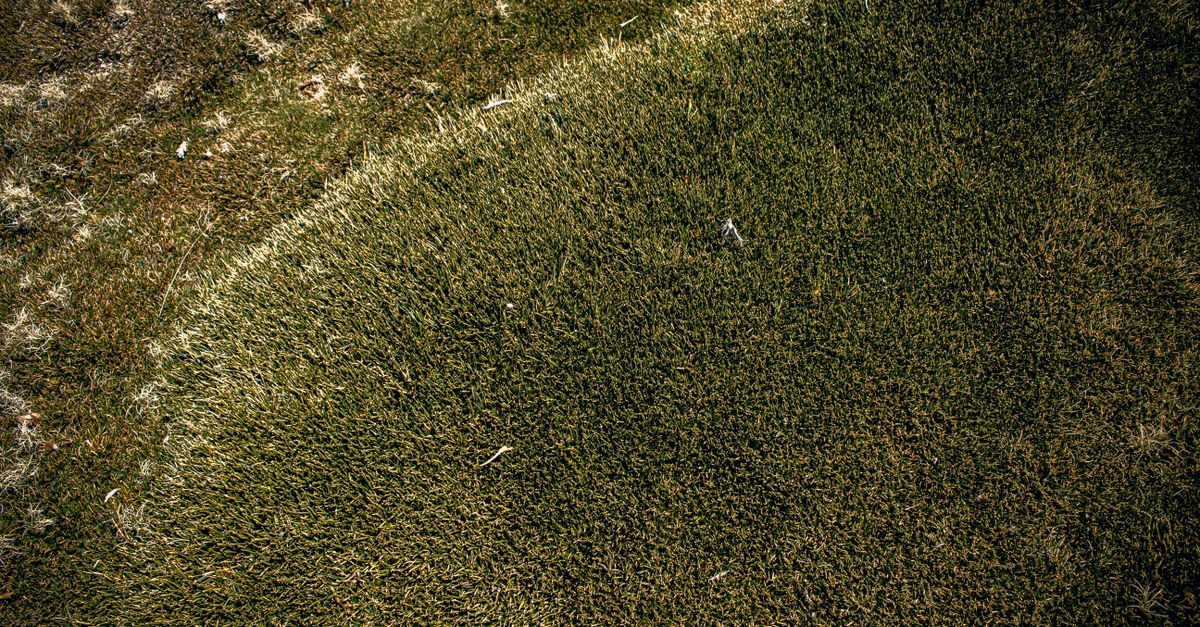
Moss is a soft, low, green growth with a velvety or feathery texture. Look closely and you will see tiny leaf-like structures. It forms thick mats you can peel up almost like a wet rug, and it tends to take over in shaded, damp, compacted areas. It has no real roots, just shallow anchoring threads, which is why it lifts so easily.
Algae, by contrast, is a slick, slimy, dark green or black film that coats the soil surface rather than building height. It shows up on bare, compacted, wet ground and gets dangerously slippery. If your problem is a smooth black slime rather than a fuzzy green mat, you are looking at algae, and the fix leans even harder on drainage and getting grass to cover the soil.
For the rest of this guide I am talking about true moss, the fuzzy green mat. The good news is that the root causes overlap heavily, so fixing your lawn for moss tends to clear up algae too.
The Real Reason Moss Is Taking Over
Here is the single most important idea in this whole article. Moss does not crowd out healthy, thriving grass. It cannot. Moss moves into the openings where grass is already failing. So every patch of moss is a little flag planted in a spot where one of these five conditions is working against your turf.
Too Much Shade
This is the big one. Grass is a sun-powered plant, and most lawn grasses want several hours of direct light a day. Drop below that and the grass thins, weakens, and slows down. Moss, on the other hand, is perfectly happy in low light. So under mature trees, along the north side of the house, and behind tall fences, you get the classic setup: too little light for grass, plenty for moss. If your moss problem is concentrated in shady zones, shade is almost certainly your lead cause. It is also worth checking whether you are even using the right grass for those areas, because some species tolerate shade far better than others. Our guide on the best grass types for shade walks through which ones actually hold up.
Acidic Soil
Most lawn grasses prefer a soil pH in a slightly acidic to neutral range. When soil drifts too acidic, grass struggles to take up nutrients and loses vigor, while moss is far more tolerant of low pH. This is where a lot of homeowners go wrong. They hear acidic soil and immediately dump lime on the lawn to raise the pH. Please do not do that blind. You can absolutely overshoot and create new problems, and you have no idea how much to apply without knowing your starting number. I will come back to this, because it matters a lot.
Compaction
Compacted soil is dense, hard ground where the particles have been pressed together, squeezing out the air pockets and pore space that roots need. Foot traffic, pets, heavy clay, and equipment all compact soil over time. Grass roots cannot push through it well, so the turf stays thin and stressed. Moss does not care, because it barely roots at all. Compaction also tends to travel with poor drainage, which is the next one.
Poor Drainage and Constant Moisture
Moss loves staying wet. Low spots that pool after rain, areas with heavy clay that drains slowly, and shaded zones that never get enough sun to dry out are all moss magnets. If the soil surface stays damp for long stretches, you have built moss a home. Grass, meanwhile, hates wet feet and gets more disease pressure in those conditions, so the moisture is hurting your turf at the same time it is helping the moss.
Low Fertility
Hungry, underfed grass is weak grass, and weak grass loses ground. Moss has very low nutrient needs and thrives in lean soil where grass cannot. A lawn that has not been fed in years often has just enough fertility to keep moss comfortable and not nearly enough to power dense, competitive turf.
Notice the pattern. Every one of these is really the same story told five ways: conditions that hold grass back while leaving moss untouched. That is why spraying moss killer alone never lasts. You knock out the moss, but the shade is still shady, the soil is still acidic, the ground is still hard, and the moss simply grows back into the same friendly conditions.
Step One: Kill the Moss You Have Now
With the framing out of the way, let us clear the moss that is already there, because you do want a clean slate before you start rebuilding the lawn.
The standard chemistry for killing lawn moss is iron-based, usually iron sulfate (ferrous sulfate) or a product built around it. Iron desiccates the moss and turns it black within a day or two. Many of these products do double duty, greening up the surrounding grass a little as they go, since iron is a nutrient grass uses.
One caution before you spread it: iron sulfate stains concrete, pavers, and other hardscape on contact, so keep it off hard surfaces and sweep or rinse any stray granules off walkways right away.
Follow the label and your local extension office on rates. Iron sulfate and packaged moss-control products have specific application rates, and the right amount depends on the exact product and how it is being applied. I am not going to invent a number for you, because using too much iron can stain hardscape and harm the lawn, and too little will not do the job. Read the product label, and check your state university extension service for moss control guidance tailored to your region and grass type. Extension offices publish exactly this kind of guidance for free and it is the most reliable source you will find.
Apply the product when the moss is actively growing, which is usually spring or fall when conditions are cool and damp. Once it has blackened and died, rake it out. A stiff rake or a dethatching rake works well here. You want to physically pull the dead moss mats off the soil so you expose bare ground that you can later seed. Dethatching does the same lifting work moss removal needs, so if you have a dethatching routine, this folds right into it. Pull up as much of the dead material as you reasonably can. This is satisfying, mildly miserable work, and absolutely worth it.
At this point your lawn will look rough. You will have bare patches where the moss used to be. That is expected and it is fine. Do not panic and do not stop here, because this is the exact moment where most people quit and guarantee the moss comes back.
Step Two: Fix the Conditions So It Stays Gone
This is the real work, and it is where lasting results come from. Go back through the five causes and address the ones that apply to your yard. You probably will not have all five, but moss usually means at least two or three are in play.
Reduce the Shade Where You Can
If shade is driving the problem, more light is the single most effective fix. Prune low tree branches and thin the canopy so more sun filters through to the ground. Cut back overgrown shrubs that are blocking light. You will not turn deep shade into full sun, and you should not butcher a beautiful tree to grow grass under it, but even modest pruning can lift a struggling shady spot into the range where shade-tolerant grass can hold on. Where the shade is just too deep to win, it is often smarter to stop fighting it and switch that area to mulch, a ground cover, or a planting bed.
Test Your Soil Before You Touch Lime
If you suspect acidic soil, the move is a soil test, full stop. Do not lime on a hunch. A soil test tells you your actual pH and exactly how far off you are, which is the only way to know whether you need lime at all and how much. Liming blind is one of the most common lawn mistakes I see, and overdoing it swings you too far the other way and creates a fresh set of nutrient problems.
You can get a soil test through your local extension office for a small fee, or use a home test to get a quick read. Our Soil Test Analyzer helps you make sense of your results and figure out what they mean for your lawn. Once you know your numbers, lime becomes a measured correction rather than a gamble, and our guide on when to apply lime to your lawn and how much covers the timing and rate once a test says you need it. For the full walkthrough on adjusting pH the right way, see our guide on how to improve soil pH for grass.
Aerate Compacted Ground
If your soil is hard and compacted, core aeration is the fix. Pulling small plugs of soil out of the lawn opens up the ground, restores pore space, and lets air, water, and roots move again. It is one of the best things you can do for tired, compacted turf, and it directly undercuts the conditions moss loves. Aerate when the grass is actively growing so it recovers quickly, and consider following with topdressing and seed to take full advantage of the openings.
Improve Drainage
For spots that stay soggy, you have to deal with the water. Sometimes that is as simple as regrading a low area so it no longer pools. Sometimes it means improving the soil with organic matter so it drains better, or in stubborn cases adding actual drainage. Pair this with reducing shade where you can, because sun is what dries the surface out between rains. A spot that gets some light and drains properly is no longer moss-friendly.
Feed the Lawn
Finally, get your grass on a real fertilization program suited to its type and your region. Well-fed grass grows dense and competitive, and dense turf is the best moss prevention there is. Moss simply cannot establish in thick, vigorous grass, because there are no openings for it. Feeding is the offense that makes all the defensive fixes stick.
Want a plan built for your exact yard instead of a generic checklist? Upload a photo to our free lawn diagnosis. It identifies what is happening in your lawn and, with a premium personalized plan, gives you the specific fix-the-cause sequence for your conditions, so you know exactly why moss took over and what your fix is.
Recommended products
MySoil Soil Test Kit
A mail-in lab test that confirms whether acidity and low fertility are actually driving the moss.
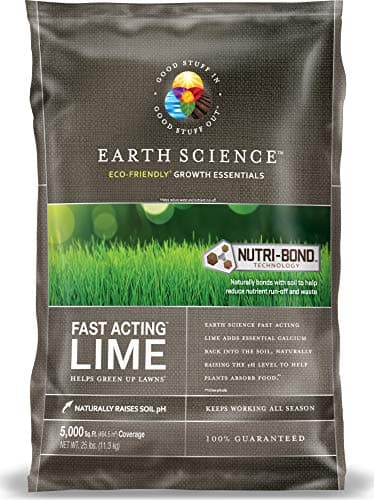
Encap Fast Acting Pelletized Lime
A pelletized lime that raises acidic soil pH faster than ground agricultural lime.
Outsidepride Legacy Fine Fescue Blend
A shade-tolerant fine fescue blend for reseeding the bare ground moss leaves behind.
Step Three: Reseed the Bare Spots
Once you have cleared the dead moss and addressed the conditions, you are left with bare ground that needs grass. Leaving it open is an invitation for moss or weeds to move right back in, so reseeding is not optional, it is the close.
Choose a grass that actually fits the spot. If the area is still somewhat shady even after pruning, pick a shade-tolerant type rather than fighting the same losing battle. Loosen the soil surface, spread seed at the right rate, keep it consistently moist until it germinates, and protect it from heavy traffic while it establishes. To figure out how much seed and product you need without guessing, measure the area first. Our Lawn Size Calculator gives you an accurate square footage so your seeding and fertilizing rates are right.
As the new grass fills in, it does the long-term job for you. Thick, healthy turf occupies the space, shades the soil, and uses up the nutrients and water that moss would otherwise grab. You are replacing the conditions that favored moss with conditions that favor grass.
What Other Guides Miss
Most moss articles stop at step one. They tell you to buy an iron-based moss killer, spray it, rake out the black mats, and call it done. And that advice is not wrong, it is just dangerously incomplete, because it treats moss like a weed you can kill once and be finished with.
Here is what actually happens when you stop at the moss killer. The shade is still there. The soil is still acidic. The ground is still compacted, the low spot still pools, and the grass is still underfed. You have removed the moss but left every single condition that invited it. So the moss comes back, usually within a season, and you are right back where you started, reaching for the same bottle. That is the cycle I see most often, and it is why people believe moss is impossible to beat.
Moss is not impossible to beat. It is impossible to beat with chemistry alone, because chemistry treats the symptom and ignores the cause. The lawns where moss actually stays gone are the ones where the owner did the unglamorous work: opened up the shade, tested and corrected the soil, aerated, fixed the drainage, fed the grass, and reseeded. Do that, and you do not need to spray moss killer every year, because the moss has nowhere left to live.
Your Moss Removal Action Plan
- Confirm it is moss, a fuzzy green mat, not the slimy black film of algae, so you treat the right problem.
- Kill the moss with an iron-based moss control product at the label rate, applied while it is actively growing in cool, damp weather. Check your extension office for region-specific rates.
- Rake out the dead moss with a stiff or dethatching rake to expose the bare soil underneath.
- Reduce shade by pruning and thinning where light is the problem.
- Soil test before liming. Never add lime on a guess. Get your actual pH first, then correct it precisely.
- Aerate compacted ground to restore air and pore space for roots.
- Improve drainage in spots that stay wet so the surface can dry between rains.
- Feed the lawn on a proper program so the grass grows dense enough to crowd moss out.
- Reseed the bare patches with a grass suited to the conditions, and keep it moist until it establishes.
- Let the grass do the rest. Thick, healthy turf is the only moss prevention that lasts.
If you want help pinpointing which of these causes is actually driving your moss, rather than working through all of them blind, start with a photo. Our free lawn diagnosis reads your lawn and tells you what is going on, and a premium personalized plan turns that into your specific, step-by-step fix-the-cause roadmap. Beat the cause once and you can stop fighting the moss every spring.
Free Lawn Care Tools
No. An iron-based moss killer kills the moss that is currently there, but it does nothing about why the moss showed up. Moss colonizes spots where grass is weak, so unless you fix the underlying conditions like shade, acidic soil, compaction, poor drainage, and low fertility, the moss grows right back into the same friendly conditions, usually within a season. Killing the moss is step one, not the whole job.
Because the conditions that favor moss are still there. Moss is a symptom of a weak lawn, not the cause of it. If your spot is shaded, the soil is acidic or compacted, the ground stays wet, or the grass is underfed, moss will return every time even if you kill it. The only way to stop the yearly cycle is to correct those conditions and grow grass thick enough to crowd the moss out.
Not without a soil test first. Moss does tolerate acidic soil better than grass, so correcting an overly acidic pH can help. But liming on a guess is a common mistake. You can easily overshoot and create new nutrient problems, and you have no way to know how much to apply without your actual pH number. Test your soil first, then lime as a measured correction only if the numbers call for it.
Moss is a soft, fuzzy, low green mat with a velvety or feathery texture that you can peel up like a wet rug, and it favors shaded, damp, compacted areas. Algae is a slick, slimy, dark green or black film that coats the soil surface and gets very slippery, usually on bare, wet, compacted ground. The root causes overlap a lot, so fixing drainage, compaction, and getting grass to cover the soil helps with both.
Treat moss while it is actively growing, which is usually spring or fall when the weather is cool and damp. That is when iron-based products work best and when the moss is easiest to kill and rake out. It is also a good window to follow up with the lasting fixes like aeration, overseeding, and feeding, since the grass is actively growing and recovers quickly.
You can rake moss out, and you will need to rake regardless to remove the dead material. But raking alone only clears what is on the surface and does not weaken the moss the way an iron product does, so it tends to grow back faster. The bigger issue is that neither raking nor spraying fixes the cause. Whatever you do to remove the moss, you still have to address the shade, soil, compaction, drainage, and fertility behind it or it returns.

Your lawn plan, in your pocket all season
Grass ID, a season plan, soil-timed reminders, and a lawn journal that remembers what you did. Free on iPhone.