Types of Grass in Arkansas: The Common Lawn Grasses
 Marcus GreenTurf Management Pro | 18 Years
As an Amazon Associate we earn from qualifying purchases.
Arkansas sits in the transition zone and grows both seasons. Bermudagrass is the most commonly used turfgrass here, and with zoysiagrass it is adapted statewide. St. Augustine and centipede suit the south, tall fescue the north and Ozarks. Tall fescue is the only one that clumps and stays green in winter.
Seed Bermuda and zoysia May to June, never after July 1. Seed tall fescue September to October in the north, with March the fallback. Overseed dormant Bermuda with ryegrass early October to mid-November, and put crabgrass pre-emergent down before soil warms through about 55F.
The University of Arkansas puts it plainly: Arkansas lies in the transition zone, where summers run too hot for cool-season grasses and winters cold enough to damage warm-season ones. So the state grows both, split roughly north to south. This guide covers each common Arkansas grass and how to tell which is in your yard.
The types of grass that grow in Arkansas
Bermudagrass
Bermudagrass is Arkansas's default lawn. UACES calls it the most commonly used turfgrass in Arkansas, adapted to the entire state, tough enough for full sun and heavy traffic with excellent heat and drought tolerance. The trade-offs are shade and upkeep: it requires full sun (6 hours per day) and frequent mowing, browns out over winter, and creeps into flower beds if you let it.
Zoysiagrass
Zoysiagrass is the dense, cold-hardier statewide alternative to Bermuda. UACES says zoysiagrasses are adapted to the entire state and form an excellent turf when properly established and managed, and that zoysia is more winter hardy than bermudagrass or St. Augustine and more shade tolerant than Bermuda. It forms a tight, weed-resisting carpet, but it is slow to establish and goes tan through winter.
St. Augustinegrass
St. Augustinegrass is the shade and southern pick. UACES calls it the most shade tolerant of the warm-season grasses grown in Arkansas and well adapted as far north as Little Rock. Its broad, dark blades make a lush carpet for southern yards, but it is the least winter hardy of the warm-season grasses, with injury likely below about 10F, so it stays a south-Arkansas grass.
Centipedegrass
Centipedegrass is the low-input pick for southern Arkansas. UACES describes it as a medium-textured, low and slow growing but aggressive grass that can produce a dense, attractive, weed-free turf, and calls it ideal for the homeowner who wants a lawn which needs little care. It is well adapted as far north as Searcy, asks for little fertilizer, but takes shade only moderately and yellows on high-pH soils.
Tall Fescue
Tall Fescue is the northern-Arkansas and Ozark grass, the one cool-season lawn that holds through the year up there. UACES calls it the most commonly grown cool-season grass in Arkansas and the most heat and drought tolerant of the cool-season grasses, best in the north but growable in the central part of the state. A bonus UACES notes: unlike Bermuda and zoysia, tall fescue will not creep into landscape beds.
A few grasses sit at the edges of the Arkansas list. Kentucky bluegrass is only marginally adapted to northern Arkansas, so it rides in blends rather than standing alone. Ryegrass is used as a temporary cool-season cover, for winter overseeding of dormant warm-season lawns or quick erosion control, rather than a permanent grass. And buffalograss, despite its drought toughness, is not recommended for Arkansas except in some nonirrigated lawns where aesthetics is not a principal concern, since Arkansas's rainfall lets weeds overrun it.
Arkansas grass types compared at a glance
| Grass | Season | Best role | Sun / shade | Water need | Maintenance |
|---|---|---|---|---|---|
| Bermudagrass | Warm | Statewide full-sun default | Full sun (6+ hrs), poor shade | Low once established | High |
| Zoysiagrass | Warm | Dense, cold-hardy, statewide | Sun to light shade | Moderate | Low-medium |
| St. Augustinegrass | Warm | Shade, southern Arkansas | Part shade to sun | Moderate to high | Medium |
| Centipedegrass | Warm | Low-input, central and south | Full sun to light shade | Low to moderate | Low |
| Tall Fescue | Cool | Northern Arkansas and shade | Sun to shade | Moderate | Medium |
How to tell which type you already have
Start with the season: tall fescue is the only cool-season grass here, so it stays green through winter and grows in clumps; the four warm-season grasses all spread by runners and go brown in winter. From there, blade width and color sort the rest, from centipede's light apple-green to St. Augustine's broad, coarse blades.
| Grass | Blade | Growth habit | Standout tell |
|---|---|---|---|
| Bermudagrass | Fine, wiry | Runners above and below ground | Bird's-foot seed head, even in mowed lawns |
| Zoysiagrass | Fine to medium, stiff | Slow, very dense | Springy carpet feel; crunches when dry |
| St. Augustinegrass | Broad, coarse, folded | Thick above-ground runners | Wide flat stems; coarsest blade of the group |
| Centipedegrass | Medium, apple-green | Creeps slowly by stolons | Light "apple green" color; short seed stalks |
| Tall Fescue | Wide, coarse, rough edges | Bunching, no runners | Grows in clumps; stays green in winter |
Still not certain? Our free AI grass identifier reads a close-up photo, names the grass, and builds a 12-month care plan tuned to your ZIP.
Which types grow in your part of Arkansas
Arkansas divides roughly into thirds, though the zones overlap more than hard lines suggest. UACES notes the extremes directly: winters in Fayetteville are too cold for St. Augustinegrass and centipedegrass, and the summer heat and humidity in Texarkana make it difficult to grow tall fescue, while zoysia and Bermuda grow everywhere.
- Statewide (all of Arkansas): Bermudagrass and zoysiagrass, both adapted to the entire state. These are the safe picks anywhere from the Delta to the Ozarks.
- Southern one-third (as far north as Little Rock): St. Augustinegrass and centipedegrass come into their own in the milder south, where winters rarely drop cold enough to injure them.
- Northern one-third (Fayetteville, the Ozark highlands): Tall fescue, the most heat-tolerant cool-season grass, is best adapted here and in the shade. Kentucky bluegrass is only marginal.
Arkansas grass timing that matters
The key Arkansas timing rule is that warm-season and cool-season grasses go in at opposite ends of the year. Soil temperature drives the rest:
- Warm-season seeding (Bermuda, zoysia, centipede): UACES puts the window at May to June, and warns not to seed Bermuda or zoysia after July 1, so seedlings root before fall.
- Cool-season seeding (tall fescue, north): UACES prefers September to October so the fescue develops before summer heat, with early spring (March) the second choice.
- Winter overseed: to keep a dormant Bermuda lawn green, UACES overseeds ryegrass roughly early October to mid-November, about a month before the lawn browns.
- Spring pre-emergent: put crabgrass pre-emergent down in spring before the soil warms through about 55F.
Our herbicide timing tool pins the exact pre-emergent date for your ZIP.
Next steps
Once you know your grass type, the care gets specific. Dig into the full guides for Bermudagrass, Zoysiagrass, St. Augustinegrass, Centipedegrass, or Tall Fescue, or line any two up in our grass comparison tool. For the wider picture, see how every state compares.
And if you are not sure what is growing out there, start with a quick photo on our free grass identifier.
Top Picks
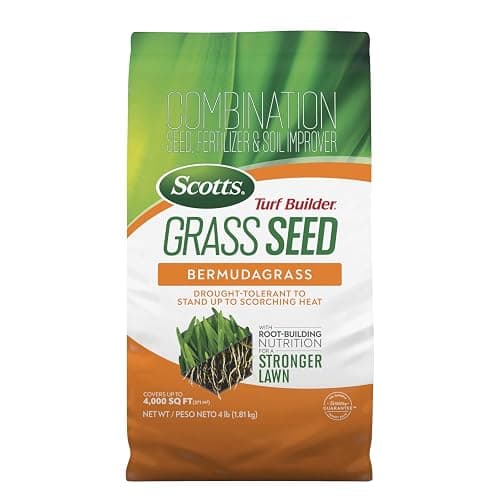
 Scotts Turf Builder Grass Seed Bermudagrass (4 lb)Check price on Amazon
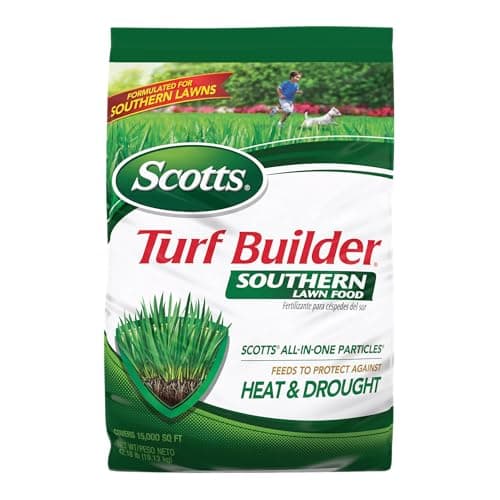
 Scotts Turf Builder Southern Lawn FoodCheck price on Amazon
As an Amazon Associate we earn from qualifying purchases.
Free Lawn Care Tools
Bermudagrass. UACES calls it the most commonly used turfgrass in Arkansas, adapted to the entire state. Zoysiagrass is the dense, cold-hardier statewide alternative, and tall fescue leads in the cooler north.
Five do the work: warm-season Bermuda and zoysia statewide, St. Augustine and centipede in the south, and cool-season tall fescue in the north. Arkansas grows both seasons because it sits in the transition zone.
Tall fescue, the most heat and drought tolerant cool-season grass, which UACES says is best adapted to the northern one-third of the state and the Ozarks. Zoysia and Bermuda also grow there; St. Augustine and centipede are usually too cold-tender for the north.
Tall fescue and St. Augustinegrass, which UACES calls the most shade-tolerant grasses recommended for Arkansas. Tall fescue suits the north, St. Augustine the south. Bermudagrass is the wrong pick for shade anywhere.
Warm-season grasses like Bermuda and zoysia go in May to June, never after July 1 per UACES. Tall fescue in the north is seeded September to October, with March the second-best option.
Sources (2)
- University of Arkansas System Division of Agriculture (UACES), FSA2112: Choosing a Grass for Arkansas Lawns.
- UACES, FSA2113: Seeding a Lawn in Arkansas.
Photos: Joseph McPhail / iNaturalist · CC BY 4.0, Kevin Faccenda / iNaturalist · CC BY 4.0, Gilles Deacur / iNaturalist · CC BY 4.0, Ian Talty / iNaturalist · CC BY 4.0, hr_dragonfly / iNaturalist · CC BY 4.0

Beat weeds and brown spots from your phone
Snap a photo, get the fix, and follow a plan timed to your soil and weather. Free on iPhone.
Related Articles
 Climate & Regional Tips
5 Types of Grass in Hawaii and How to Tell Which You Have
Aug 30, 2026•7 min read Climate & Regional Tips
Types of Grass in Kentucky: The Common Lawn Grasses
Jul 22, 2026•7 min read Climate & Regional Tips
8 Types of Grass in Nevada and How to Tell Which You Have
Sep 2, 2026•9 min read