Types of Grass in North Carolina: The Common Lawn Grasses
 Marcus GreenTurf Management Pro | 18 Years
As an Amazon Associate we earn from qualifying purchases.
North Carolina is the textbook transition zone, so it grows both cool- and warm-season lawns. Tall fescue is the most widely grown, concentrated in the Piedmont and Mountains, with bermuda, zoysia, and centipede in the sunny east and St. Augustine in the warm Coastal Plain. No single grass is ideal everywhere here.
The timing rule that matters most is that cool-season grass goes in during fall, not spring. NC State recommends seeding mid-August to October 1, earlier in the Mountains. Warm-season grasses go in from about March 1 to July 1, and spring pre-emergent goes down before soil reaches about 55F.
North Carolina sits right where it is too hot in summer for cool-season grasses to thrive and too cold in winter for warm-season grasses to stay green. Per NC State Extension, both cool-season and warm-season grasses are grown in North Carolina, and the mix flips as you move from the mountains to the coast. This guide covers every common type and how to tell which one is already in your yard.
The types of grass that grow in North Carolina
Tall Fescue
Tall Fescue is North Carolina's dominant home lawn grass and the most widely grown cool-season species in the state. It carries the Piedmont and the Mountains, staying reasonably green year-round where warm-season grasses go tan all winter. Its weakness is NC's hot, humid summer, when brown patch disease thins it out, which is why fescue lawns are renovated and overseeded in fall, when new seedlings have the best odds; spring seeding is a less reliable fallback.
Bermudagrass
Bermudagrass is the leading warm-season lawn for full-sun sites in the Piedmont and Coastal Plain, a medium- to fine-textured grass that spreads by rhizomes and stolons. It loves heat, shrugs off drought, and recovers fast from traffic, but it needs full sun, browns out after the first heavy frost, and can suffer winter injury in the colder western half of the state.
Zoysiagrass
Zoysiagrass is the dense, wear-resistant warm-season option for sunny Piedmont and Coastal Plain lawns that want something tighter and slower than bermuda. NC State describes it as spreading by rhizomes and stolons into a very dense, wear-resistant turf. It is slow to establish and slow to recover, and like other warm-season grasses it goes dormant and brown in winter.
Centipedegrass
Centipedegrass is the low-input lazy man's grass of the sandy, acidic Coastal Plain and warmer Piedmont. NC State calls it a slow-growing, coarse-textured grass adapted for use in low maintenance situations. It needs little fertilizer or mowing, but it does not take heavy traffic, high pH, or cold as well as the others.
St. Augustinegrass
St. Augustinegrass is a Coastal Plain grass in North Carolina. It is the least cold-tolerant warm-season option, so NC State lists it as best adapted to the coastal plain and it struggles further inland. Where it fits, across the milder, warmer eastern counties, it gives the best shade tolerance of the warm-season grasses on broad, coarse blades.
Kentucky Bluegrass
Kentucky Bluegrass is North Carolina's second most widely grown cool-season species, used mostly in the cooler Mountains and usually blended into tall fescue rather than planted as a lawn on its own. It has a fine texture and spreads by rhizomes to knit a dense sod, but NC's summers limit it to the higher, cooler west.
Fine Fescue
Fine Fescue is the shade specialist, a cool-season grass mixed into tall fescue and bluegrass lawns in the Mountains and Piedmont, especially under trees. Its needle-fine blades tolerate shade and low fertility where other grasses thin out, but it does not stand up to heat or heavy traffic, so it works as a component of a blend rather than a stand-alone lawn.
North Carolina grass types compared at a glance
| Grass | Season | Best role | Sun / shade | Water need | Maintenance |
|---|---|---|---|---|---|
| Tall Fescue | Cool | Statewide default, Piedmont and Mountains | Shade to part sun | Moderate to high | Medium |
| Bermudagrass | Warm | Full-sun Piedmont and Coast | Full sun, poor shade | Low once established | High |
| Zoysiagrass | Warm | Dense sunny lawns | Sun to light shade | Moderate | Low-medium |
| Centipedegrass | Warm | Low-input Coastal Plain | Sun to light shade | Low | Very low |
| St. Augustinegrass | Warm | Warm Coastal Plain only | Best shade tolerance | Higher | Medium-high |
| Kentucky Bluegrass | Cool | Mountains, in blends | Sun to light shade | High | Medium-high |
| Fine Fescue | Cool | Shade component in blends | Best shade tolerance | Low | Low |
How to tell which type you already have
Start with the big split: does the grass grow in clumps or spread by runners? Tall fescue and fine fescue grow in bunches; bermuda, zoysia, centipede, and St. Augustine spread by runners; Kentucky bluegrass spreads underground by rhizomes. Blade width, color, and the seed head sort the rest.
| Grass | Blade | Growth habit | Standout tell |
|---|---|---|---|
| Tall Fescue | Wide, coarse, rough edges | Bunching, no runners | Grows in clumps, not a spreading mat |
| Bermudagrass | Fine, wiry | Runners above and below ground | Bird's-foot seed head, even in mowed lawns |
| Zoysiagrass | Fine to medium, stiff | Slow, very dense | Springy carpet feel; crunches when dry |
| Centipedegrass | Medium, blunt-tipped | Low, slow creeping | Apple to yellow-green color; hugs the ground |
| St. Augustinegrass | Broad, flat, coarse | Thick surface runners | Runners you can lift and trace; planted from sod |
| Kentucky Bluegrass | Fine, soft | Spreads by rhizomes, dense sod | Boat-shaped blade tip; open seed-head panicle |
| Fine Fescue | Very fine, needle-like | Bunching, some creeping | Wispy, thread-thin blades in shade |
Still not certain? Our free AI grass identifier reads a close-up photo, names the grass, and builds a 12-month care plan tuned to your ZIP.
Which types grow in your part of North Carolina
North Carolina's west-to-east gradient, from the mountains down to the coast, drives everything. The grasses flip from cool-season in the west to warm-season in the east, with the Piedmont caught in between.
- Mountains (west): Cool-season country. Tall fescue dominates, often blended with Kentucky bluegrass and fine fescue. Cool summers and cold winters favor cool-season turf; warm-season grasses struggle with short seasons and winterkill.
- Piedmont (central): The true transition zone. Tall fescue is the default lawn, but bermuda and zoysia thrive in full sun. Both types are grown here, and neither is perfect through the full hot-summer, cold-winter swing.
- Coastal Plain (east): Warm-season country. Bermuda, zoysia, and centipede dominate, and St. Augustine appears near the coast. Hot, humid summers and mild winters, moderated by the Atlantic, favor warm-season turf.
North Carolina grass timing that matters
The single most important North Carolina timing rule is that cool-season grasses go in during the fall, not the spring. Soil temperature drives the rest:
- Fall fescue seeding, the key one: NC State recommends seeding cool-season grasses from mid-August to October 1, depending on location, earlier in the Mountains and toward October 1 in the Piedmont and Coastal Plain. Spring seedings get cooked by summer before they root.
- Warm-season establishment: bermuda, zoysia, and centipede can be seeded from about March 1 to July 1, once the soil is warm, or sodded through the summer.
- Last spring frost: average last-frost dates run from around May 1 in the mountains (Boone) and mid-April in the Piedmont to mid-March on the coast (Wilmington), so shift your calendar to your elevation.
- Spring pre-emergent: down before soil temperatures reach about 55F and crabgrass germinates in late winter to early spring, Coastal Plain first and the Mountains last. For spring cool-season seedings, use a seeding-safe pre-emergent like siduron, since standard products block turf germination too.
- Dormancy: warm-season grasses brown out after the first heavy frost through winter; tall fescue stays reasonably green year-round but suffers in peak summer heat.
Our herbicide timing tool pins the exact pre-emergent date for your ZIP.
Next steps
Once you know your grass type, the care gets specific. Dig into the full guides for Tall Fescue, Bermudagrass, Zoysiagrass, or Centipedegrass, or line any two up in our grass comparison tool. For the wider picture, see how every state compares.
And if you are not sure what is growing out there, start with a quick photo on our free grass identifier.
Top Picks
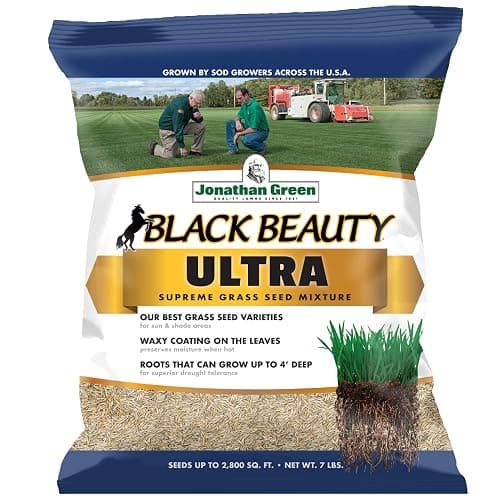
 Jonathan Green Black Beauty Ultra Grass SeedCheck price on Amazon
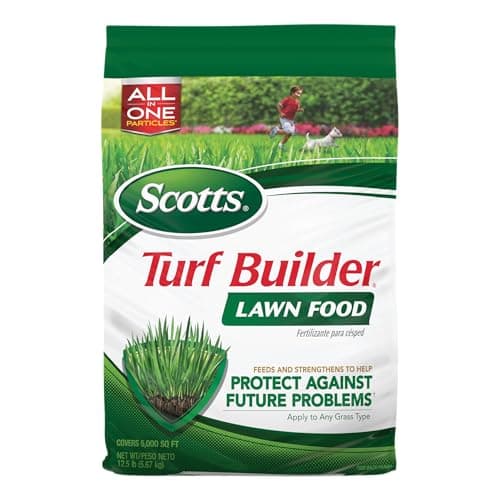
 Scotts Turf Builder Lawn FoodCheck price on Amazon
As an Amazon Associate we earn from qualifying purchases.
Free Lawn Care Tools
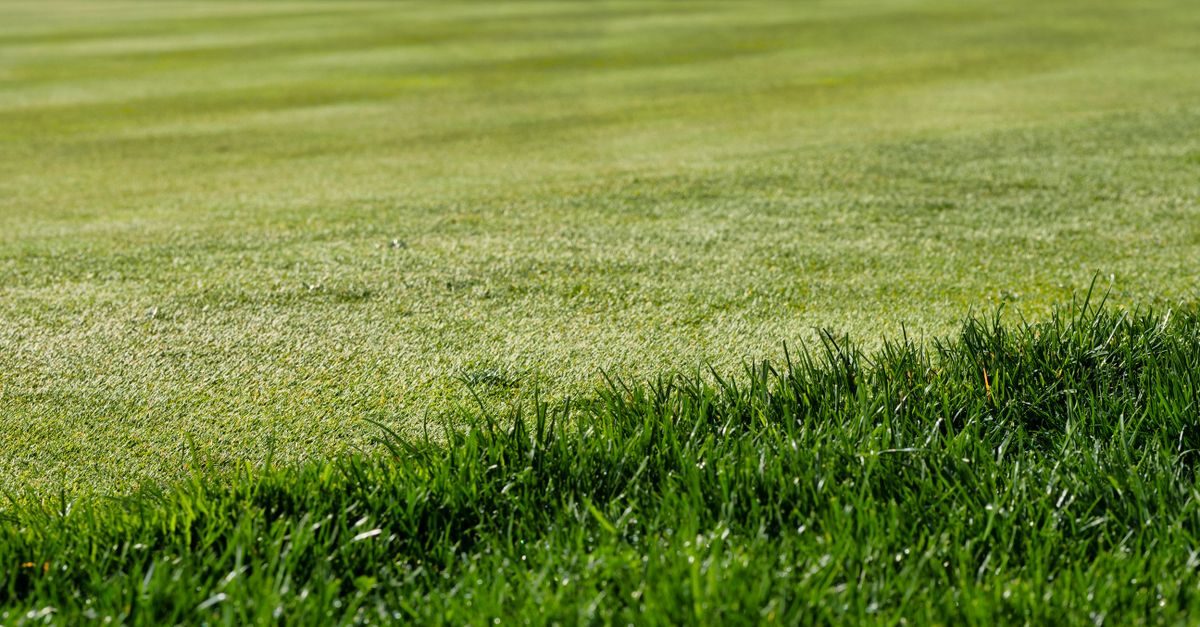
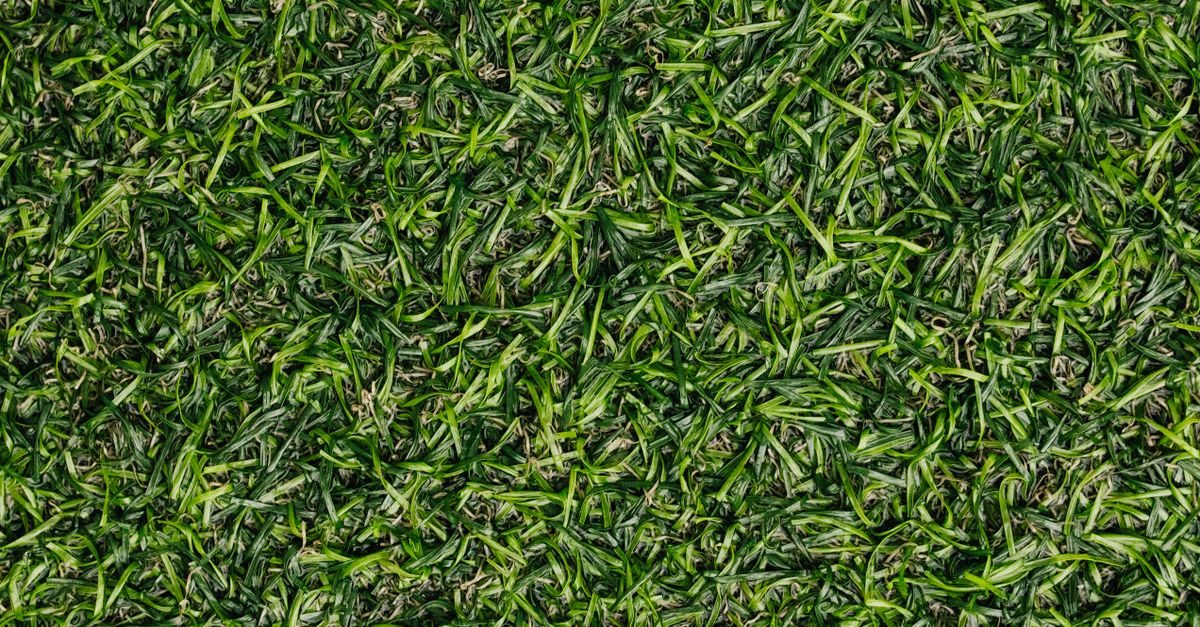
Tall fescue, the most widely grown cool-season grass in the state and the default lawn across the Piedmont and Mountains. In the Coastal Plain and sunny Piedmont, warm-season bermuda and zoysia are common.
Seven show up in NC lawns: cool-season tall fescue, Kentucky bluegrass, and fine fescue, plus warm-season bermuda, zoysia, centipede, and St. Augustine. That mix exists because NC is a transition-zone state that grows both types.
It sits in the transition zone, too hot in summer for cool-season grasses to thrive and too cold in winter for warm-season grasses to stay green. No single grass is perfect statewide. Tall fescue is the common compromise because it handles NC summers better than most cool-season grasses.
Fall for cool-season grasses like tall fescue, from mid-August to about October 1. Spring seedings usually fail because summer heat arrives before the roots establish. Warm-season grasses flip this and go in from late spring into summer.
Only near the coast. St. Augustine is the least cold-tolerant warm-season grass, so NC State lists it as best adapted to the Coastal Plain; it struggles or winterkills further inland.
Sources (2)
- NC State Extension TurfFiles, per-species: Tall Fescue, Bermudagrass, Zoysiagrass, Centipedegrass, St. Augustinegrass, and Kentucky Bluegrass.
- NC State Extension, Carolina Lawns: A Guide to Maintaining Quality Turf in the Landscape.
Photos: Julie Wittmann / iNaturalist · CC BY-SA 4.0, laiet17 / iNaturalist · CC0, Kevin Faccenda / iNaturalist · CC BY 4.0, Alan Weakley / iNaturalist · CC0, T. J. Samojedny / iNaturalist · CC BY 4.0, mechaffeine / iNaturalist · CC0, Alex Zorach / iNaturalist · CC BY 4.0

Beat weeds and brown spots from your phone
Snap a photo, get the fix, and follow a plan timed to your soil and weather. Free on iPhone.