
Why billbug damage looks like drought and is not
Billbugs run one generation a year, and the damage lands at the worst possible moment. Adults overwinter in thatch and leaf litter, emerge in spring, and walk across the lawn and pavement to find a place to lay eggs. They lay those eggs inside grass stems. The larvae hatch inside the stem and eat their way down through it into the crown and root zone, which is why a plant can look fine on top while it is already hollow underneath.
By midsummer those larvae have destroyed enough crown tissue that the plants collapse, and the lawn goes brown right as heat and drought stress arrive. That timing is the trap. Almost everyone reads the brown patches as a watering problem, waters harder, and gets nothing, because the plants no longer have the crowns they would need to respond. The stem pull test cuts through the confusion in seconds.
Fixing the lawn and making it less attractive
Damaged plants do not recover. Billbug-killed turf has to be reseeded or plugged, which makes fall renovation the practical repair for cool-season lawns and late spring the equivalent for warm-season ones. Since you are reseeding anyway, this is the moment to change what grows there. Endophyte-enhanced perennial ryegrass and fescue cultivars are naturally hostile to billbugs, and that resistance is the closest thing to a permanent fix on this pest.
Beyond seed choice, thin the thatch, since it is where adults overwinter, and keep the lawn watered through summer so surviving plants can outgrow light feeding. Watching sidewalks and driveways for walking adults in spring gives you a genuine early read on whether pressure is building, and it is the only easy observation on this pest, because everything else about billbugs happens inside the plant where you cannot see it.
How do you identify billbugs?
- Brown patches that appear in midsummer and stay brown no matter how much you water
- Individual grass stems that break off cleanly at the crown when you pull them, instead of coming up with roots
- Fine sawdust-like frass packed inside the broken stem and in the crown area
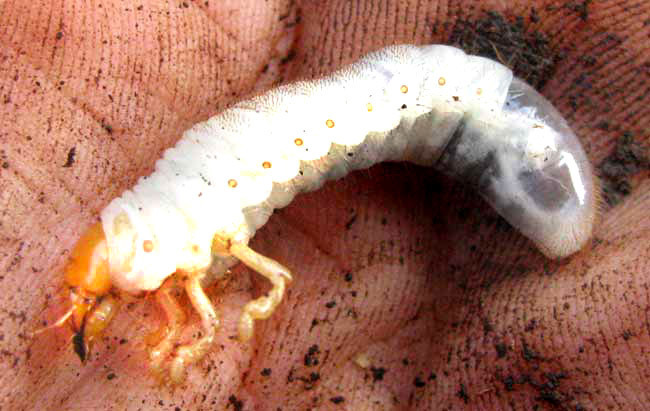
- Small legless white larvae with a tan head down in the crown and upper root zone
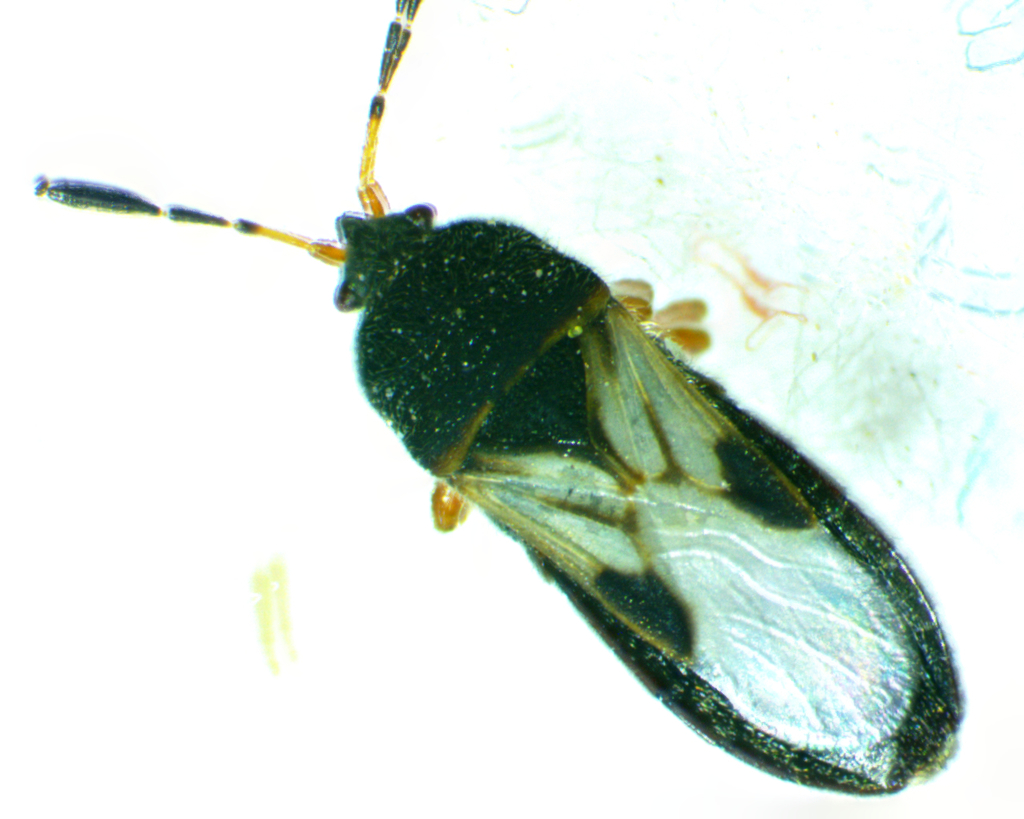
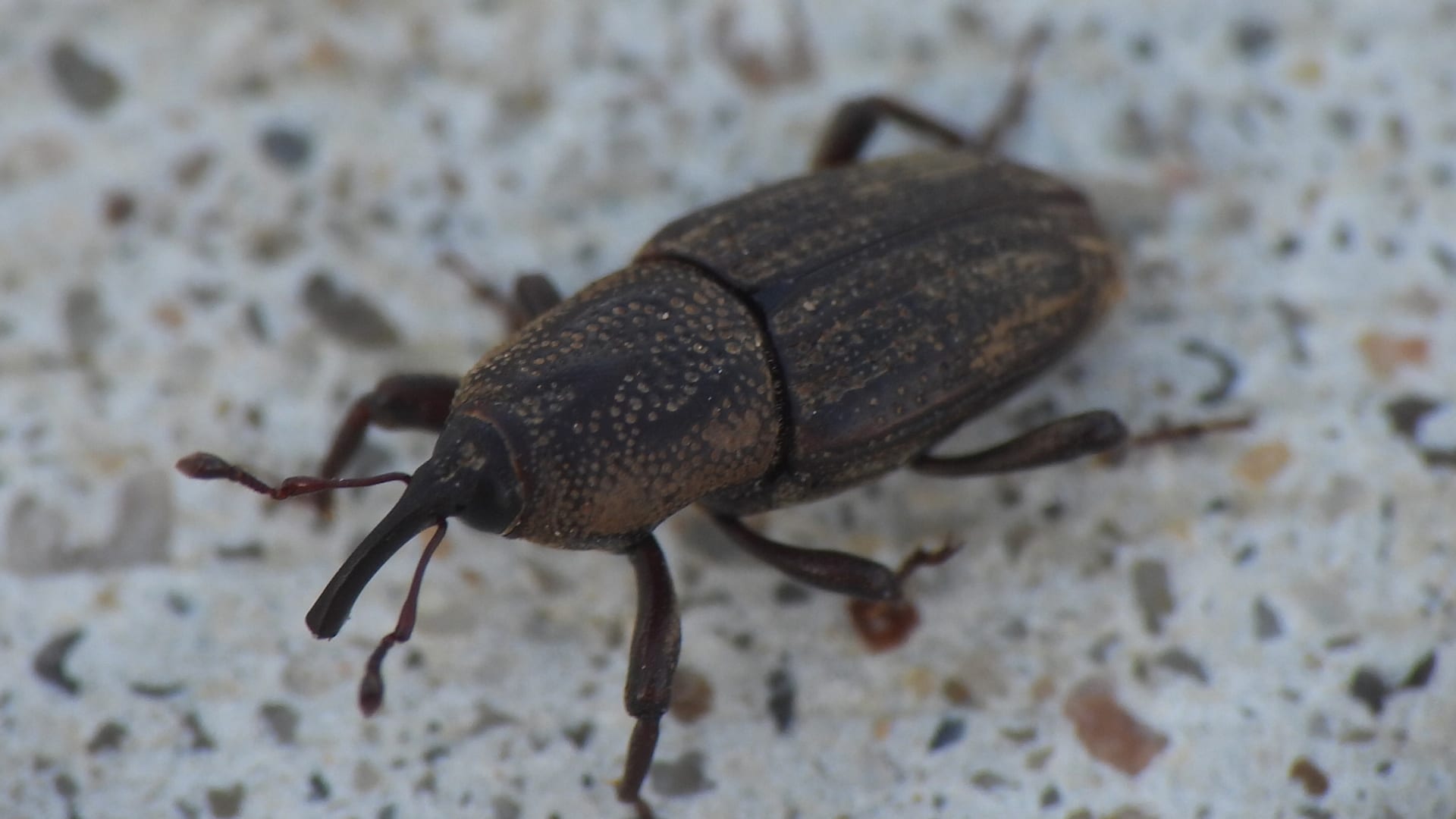
- Quarter-inch dark beetles with a long snout walking on driveways and sidewalks in spring
What the damage looks like
Irregular brown patches in mid-summer; grass stems easily break at crown with sawdust-like frass inside.
Is it billbugs or something else?
How do you check for billbugs?
Stem pull test: grab individual grass stems and pull. If they break easily at the crown with sawdust-like frass visible, billbug larvae are present.
The stem pull test is the whole diagnosis and it takes about ten seconds, so do it before you spend money on anything. Test at the edge of a brown patch where grass is still partly green, and try several stems, since not every plant is infested. Seeing adult weevils walking on pavement in spring tells you the population is active, not that treatment is warranted.
When should you treat for billbugs?
- Spring: watch the pavementAdults overwinter in thatch and leaf litter, then emerge and walk across driveways and sidewalks looking for somewhere to lay eggs. Seeing them is the only easy observation this pest offers, because everything after that happens inside the grass stems.
- By late May: the preventive window closesPreventive control goes down by late May, while the eggs and newly hatched larvae are still in the stems and before the larvae move down into the crowns. After that the larvae are inside the plant where nothing you spray reaches them.
- Midsummer: diagnose, do not sprayThis is when the patches show up and when the stem pull test pays off, but the plants that break at the crown are already dead. Confirm what you have, then plan the repair rather than buying a rescue product that has nothing left to save.
- Fall for cool-season lawns, late spring for warm-seasonBillbug-killed turf does not recover, so those areas get reseeded or plugged at the normal renovation time for your grass type. Use an endophyte-enhanced cultivar while you are at it, which is the closest thing to a permanent fix on this pest.
These windows shift by a few weeks with latitude and with the season you are actually having, so treat them as the shape of the year rather than as dates. Your county extension office publishes the local timing, and the population that justifies treating where you live.
How do you get rid of billbugs?
Start here: cultural
- Choose resistant grass cultivars (endophyte-enhanced)
- Reduce thatch
- Irrigate during drought
Organic and biological
- Plant endophyte-enhanced grass varieties
- Beneficial nematodes
- Beauveria bassiana
Conventional product categories
- Chlorantraniliprole (preventive)
- Bifenthrin
- Imidacloprid
Keep kids and pets off treated areas until the product has dried and any re-entry interval printed on the label has passed. That applies to the organic and biological options too, since most of them are still pesticides.
These are active ingredient categories, not a prescription. Rate, timing, and watering-in come from the product label. Confirm the label lists both your pest and your grass type before you apply anything.
Keeping it from coming back
- Plant endophyte-enhanced grass seed
- Monitor for adults on sidewalks in spring
- Apply preventive control by late May
Pest control quotes
Get matched with local pest control pros on Angi. Free quotes, no obligation.
Angi is a partner; we may earn a commission if you request quotes there.
What products work on billbugs?
These picks are not filtered to your lawn. Insect products differ in which pests and which grasses they are labeled for, and none of them are a substitute for confirming the pest first. Read the label for your pest, your grass type, and the rate before you buy.
Recommended Products
- 1Check price
 Top pick
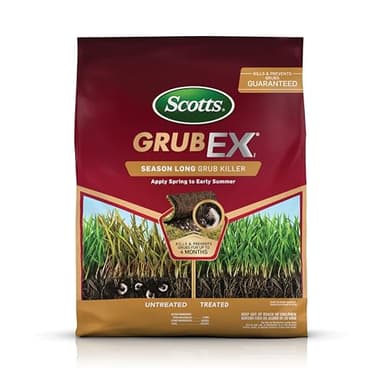
Scotts GrubEx1 Season Long Grub Killer, 5,000 sq. ft.
Preventive chlorantraniliprole grub control for late spring applications before root-feeding larvae explode. Preventive grub products can help where billbugs recur.
- 2Check price
 Best value
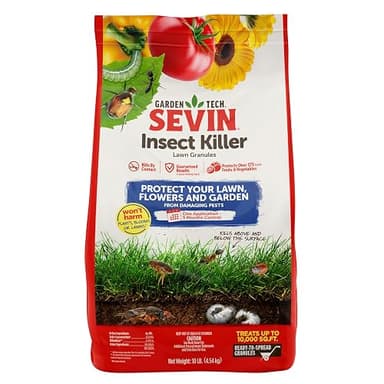
Sevin Insect Killer Granules 10 lb
Broad-spectrum granular insect killer for grubs, ants, fleas, ticks, and 100+ listed lawn pests. Use only after stem-pull signs confirm active damage.
- 3Check price
 Also great
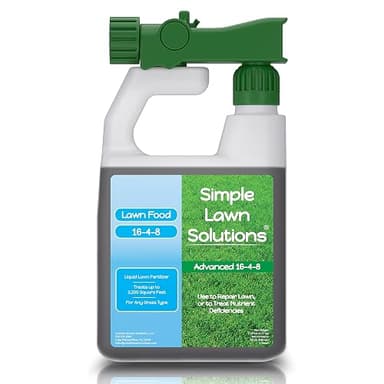
Simple Lawn Solutions Advanced 16-4-8
Liquid 16-4-8 lawn food for quick feeding on established lawns when you want balanced NPK and simple hose-end application. Recovery feeding helps fill billbug-thinned areas.
As an Amazon Associate we earn from qualifying purchases.
Where do billbugs show up?
Most common in these regions:
Grass types at risk