
Why you see the moths before you see the damage
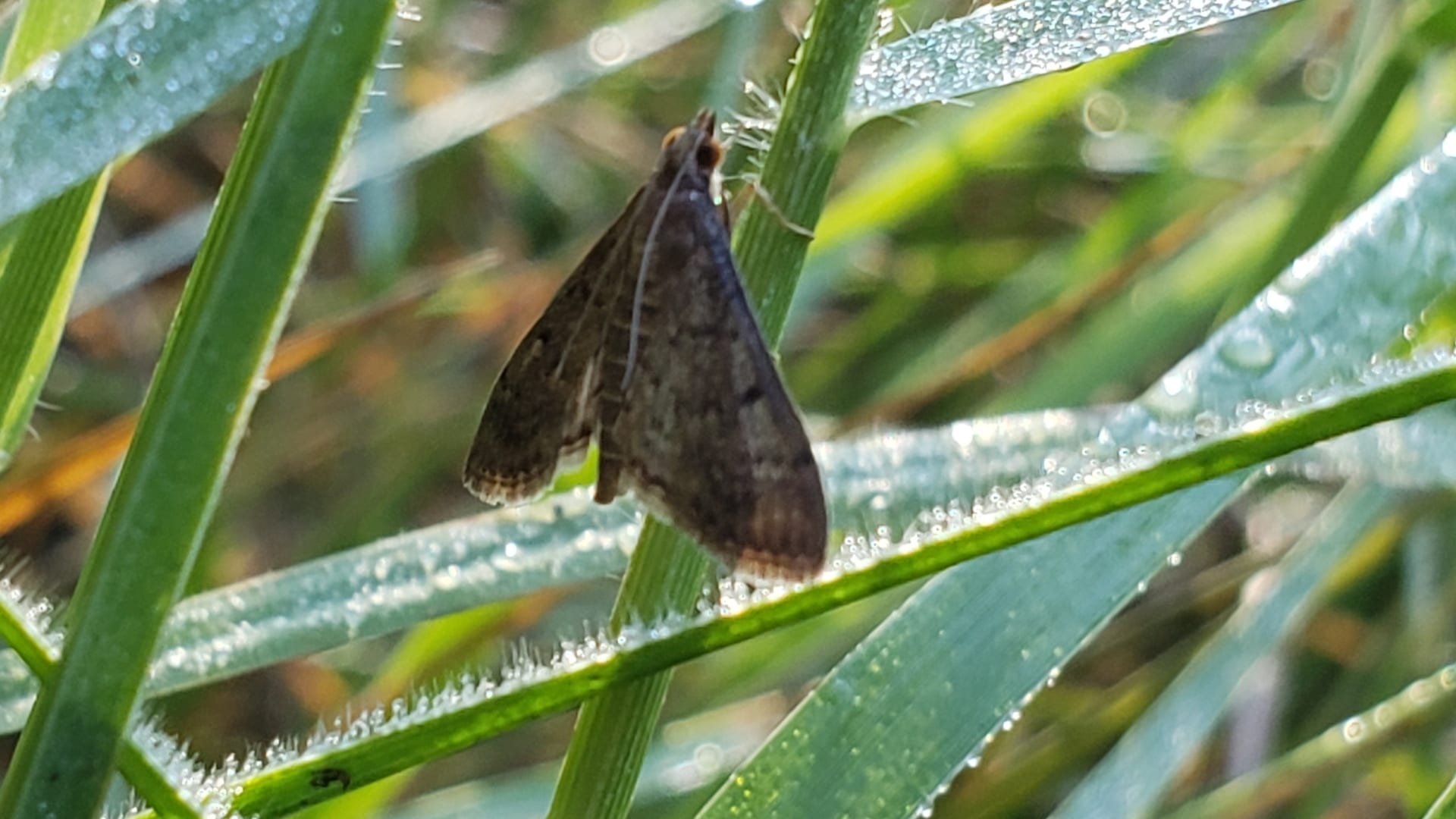
The moths you flush out of the grass on an evening walk are not eating anything. Adult sod webworm moths do not damage turf at all. What they are doing is dropping eggs into the lawn as they fly, and the caterpillars that hatch a week or so later are the ones that chew. That gap is genuinely useful: a lot of moth activity in June often means visible damage in July, which gives you time to scout instead of react.
The caterpillars feed at night and spend the day in silk-lined tunnels down in the thatch, which is why people look for them, find nothing, and decide the lawn is diseased. Several generations can stack up in a single season in warmer regions, so a lawn can look fine, get chewed, recover, and get chewed again. Damage is usually worst in hot, dry stretches when the grass has no reserves to regrow what is being eaten.
Getting a chewed lawn back and keeping it
The good news is that sod webworms eat blades, not roots and not crowns. A lawn with an intact root system usually grows out of moderate feeding once the caterpillars are gone. Water consistently, feed lightly to push new leaf growth, and mow a little higher so the plants keep enough leaf area to recover. Resist the urge to scalp the damaged areas trying to tidy them up.
For the long term, work on the thatch, because that is where the larvae live during the day and where any treatment has to reach. Keeping thatch thin removes the daytime shelter and makes the lawn far less hospitable. Watching for zigzag moth flights each evening in early summer costs nothing and gives you a genuine early warning, which on this pest is worth more than any product.
How do you identify sod webworms?
- Small tan moths that flush out of the lawn as you walk and fly in a jerky zigzag before dropping back in
- Grass blades chewed off close to the soil, leaving a ragged stubble rather than a clean cut
- Small brown patches, roughly saucer sized at first, that run together over a week or two
- Green pellets of frass down in the thatch where you part the grass
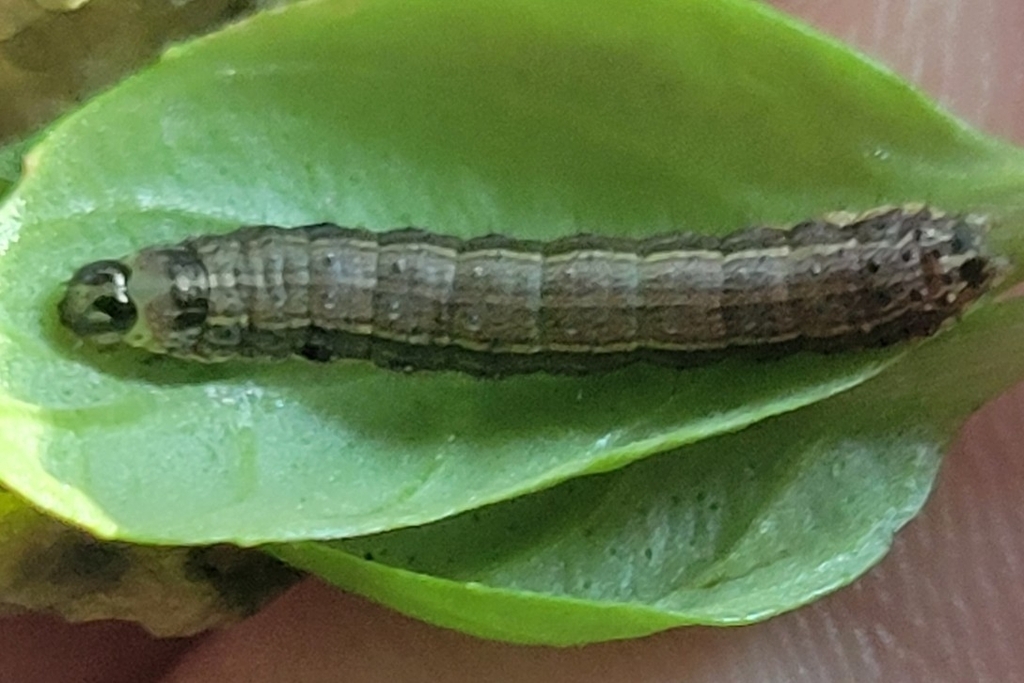
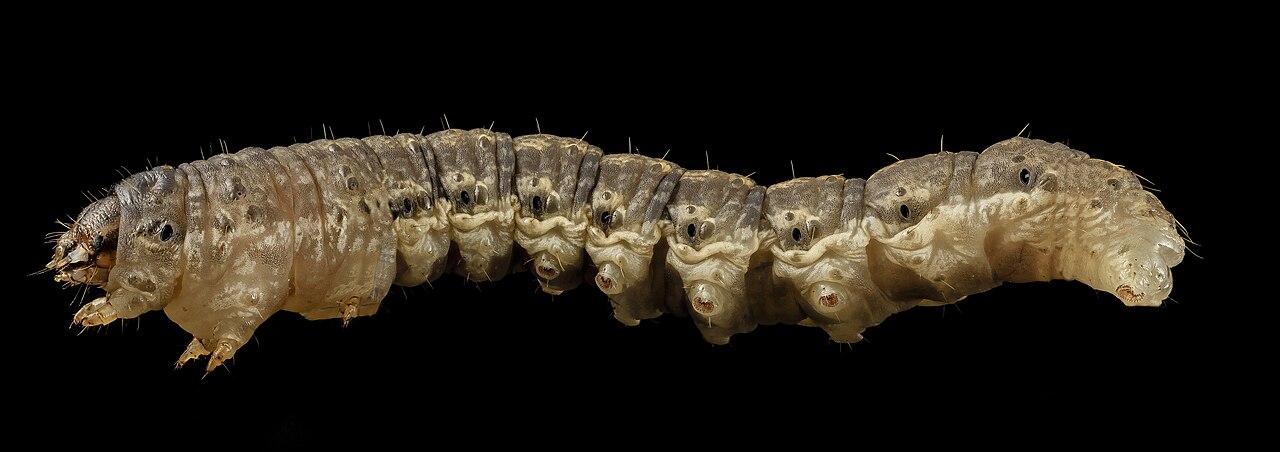
- Silk-lined tunnels in the thatch with a green to tan caterpillar about three quarters of an inch long inside
What the damage looks like
Small irregular brown patches that grow together; grass blades are chewed off at soil level.
Is it sod webworms or something else?
How do you check for sod webworms?
Soap flush test: mix 2 tablespoons dish soap in 1 gallon water, pour over 1 sq ft of suspect area. Larvae will come to the surface within 10 minutes.
Do the soap flush in a spot that is still partly green at the edge of a patch, since the caterpillars follow the food. Watch the area for a full ten minutes, because they surface gradually and it is easy to call it clean too early. Counting adult moths at dusk tells you eggs are being laid, not that treatment is warranted.
When should you treat for sod webworms?
- Early summer evenings: count the mothsWalk the lawn at dusk and watch for the zigzag flight. The moths do no damage themselves, they are laying eggs, so heavy flights are your notice to start soap flushing over the following couple of weeks rather than a reason to treat that night.
- About two weeks after a heavy flight: soap flushThat is roughly when the caterpillars are big enough to find and still small enough to be worth treating. Flush at the edge of a thinning patch and watch a full ten minutes.
- Midsummer into late summer: the damage windowFeeding hurts most during hot, dry stretches when the grass has nothing in reserve to regrow what is being chewed. Warmer regions stack two to three generations in a season, so a lawn can get hit, recover, and get hit again.
- Treat in the evening, not the morningThe larvae feed at night and spend the day in silk-lined tunnels down in the thatch. Bt in particular goes on at dusk, and anything applied needs watering in far enough to reach the thatch layer where they live.
These windows shift by a few weeks with latitude and with the season you are actually having, so treat them as the shape of the year rather than as dates. Your county extension office publishes the local timing, and the population that justifies treating where you live.
How do you get rid of sod webworms?
Start here: cultural
- Reduce thatch to remove larval habitat
- Water in the evening to irrigate applied treatments into thatch
- Keep grass taller
Organic and biological
- Bacillus thuringiensis (Bt) applied at dusk
- Beneficial nematodes
- Spinosad
Conventional product categories
- Bifenthrin
- Chlorantraniliprole
- Trichlorfon
Keep kids and pets off treated areas until the product has dried and any re-entry interval printed on the label has passed. That applies to the organic and biological options too, since most of them are still pesticides.
These are active ingredient categories, not a prescription. Rate, timing, and watering-in come from the product label. Confirm the label lists both your pest and your grass type before you apply anything.
Keeping it from coming back
- Reduce thatch buildup
- Monitor for zigzag moth flights
- Maintain healthy turf to tolerate minor feeding
Pest control quotes
Get matched with local pest control pros on Angi. Free quotes, no obligation.
Angi is a partner; we may earn a commission if you request quotes there.
What products work on sod webworms?
These picks are not filtered to your lawn. Insect products differ in which pests and which grasses they are labeled for, and none of them are a substitute for confirming the pest first. Read the label for your pest, your grass type, and the rate before you buy.
Recommended Products
- 1Check price
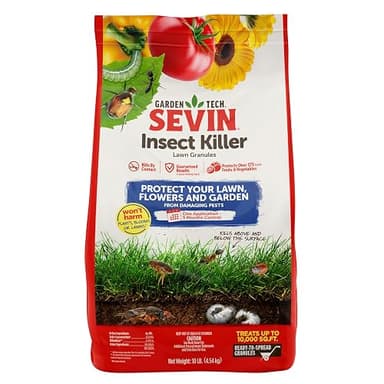 Top pick
Sevin Insect Killer Granules 10 lb
Broad-spectrum granular insect killer for grubs, ants, fleas, ticks, and 100+ listed lawn pests. Treat only when larvae are present in thatch.
- 2Check price
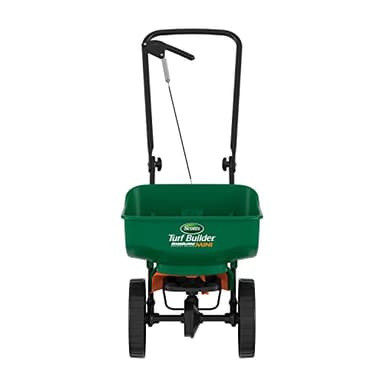 Best value
Scotts Turf Builder EdgeGuard Mini Broadcast Spreader
Simple broadcast spreader for granular fungicides, grub control, fertilizer, and recovery products that need even coverage. Granules need to reach the thatch layer evenly.
- 3Check price
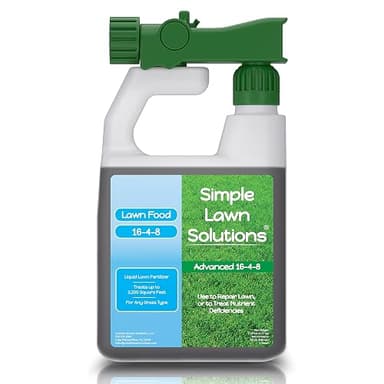 Also great
Simple Lawn Solutions Advanced 16-4-8
Liquid 16-4-8 lawn food for quick feeding on established lawns when you want balanced NPK and simple hose-end application. Light feeding helps chewed turf rebuild leaf tissue.
As an Amazon Associate we earn from qualifying purchases.
Where do sod webworms show up?
Most common in these regions:
Grass types at risk