Grass Seed for Sandy Soil: What to Plant and How to Start It

As an Amazon Associate we earn from qualifying purchases.
Sand can look ready for seed after one pass with a rake. Then the top dries, and the seed is left where it started. The grass choice matters, but so do the seedbed and the first weeks of watering.
Fast Answer: In a cool climate, fine fescue is a strong seed choice for a dry, low-traffic sandy lawn. Turf-type tall fescue is an option when the lawn gets more use. In Florida, bahiagrass can suit infertile sand if an open, lower-appearance lawn is acceptable. Seeded common bermudagrass suits a sunny warm-region site where regular mowing is acceptable. These are climate and site choices, not one national winner. University of Maine Cooperative Extension, UF/IFAS, and UGA Extension describe the different conditions each grass handles.
Test the soil, choose seed labeled for your region, and prepare a firm seedbed. Keep the surface moist while the seed germinates. Once seedlings root, water less often and more deeply. If an existing lawn has an unknown grass mixed into it, identify it first so the patch blends with the rest of the yard.
Choose the grass for your climate and use
Start with the winter, then look at sun and foot traffic. Sand is only one part of the site. A grass that tolerates dry ground can still fail in a climate outside its range or under heavy use.
| Site | Seed to consider | Trade-off to check |
|---|---|---|
| Cool climate, dry or partly shaded, low traffic | Fine fescue, including creeping red, Chewings, or hard fescue | Fine fescue handles dry, low-fertility soil but does not take heavy foot traffic well. |
| Cool climate, sun or light shade, more traffic | Turf-type tall fescue | It tolerates heat and drought but can establish slowly. Check winter hardiness in your area. |
| Florida, sandy and low-fertility utility lawn | Bahiagrass | It persists in infertile sand with modest inputs, but its open canopy and seedheads give a less manicured look. Germination can be slow; scarified seed is preferred when available. |
| Warm region, full sun, regular mowing | Seeded common bermudagrass | It handles heat and many soils, but performs poorly in shade and can spread into beds. |
The University of Maine supports the fine and tall fescue choices for cool-climate lawns. UF/IFAS describes bahiagrass on infertile Florida sand and its slow establishment. UGA Extension treats bahiagrass mainly as a utility choice in Georgia and explains the sun, seed, and maintenance limits for bermudagrass. Check local extension guidance before choosing bahiagrass outside Florida.
Match the seed to the lawn you already have when repairing a patch. A different species can leave a visible change in color, blade width, and winter dormancy. For a new lawn, ask your local extension office which cultivars perform in your county before choosing a bag. A bermudagrass seed guide helps with the warm-season choice; the fine fescue seed guide covers cool-season options.
Check the seed bag before you prepare the soil
The front of a bag can say "sun and shade" while the label lists several grasses. Read the species, cultivar, germination, and weed-seed entries. UF/IFAS says a Florida seed blend can contain cool-season grasses that grow quickly and then die in the heat. Choose a mix for the actual climate, rather than for the word "sandy" on the front.
Check the label's seeding rate for the species and whether it describes a new lawn or an overseeding job. Rates differ sharply. For example, UF/IFAS lists 5 to 10 pounds of bahiagrass seed per 1,000 square feet and 1 to 4 pounds for bermudagrass. Those ranges are for Florida turfgrasses. Use the rate on the chosen seed bag and local guidance for your site.
Do not count on an old bag to fill a thin stand. If the bag has been stored for a season or longer, the old-seed germination check can help you decide whether to replace it.
When to seed sandy soil
Planting time follows the grass and local climate, not the soil texture. For cool-season seed in Maine, the University of Maine Cooperative Extension gives August 15 to September 15 as the best local window. That range is specific to Maine; ask your local extension office for the dates in your area. For warm-season seed in Florida, UF/IFAS recommends spring or summer establishment. It warns that late-fall seedlings in north Florida can be killed by winter weather. If your local planting window has passed, prepare the site now and wait for the next suitable window.
Prepare sandy soil so seed can take root
A sandy yard drains quickly and can lose nutrients quickly. Penn State Extension recommends a soil test before establishing turf and says suitable organic matter worked into sand can improve water and nutrient retention. It does not mean dumping a thin layer of topsoil over an unprepared yard. Prepare the ground the roots will grow into.
- Remove weeds and loose debris. For a new lawn, grade the area so water moves away from buildings and does not collect in low spots.
- Take a soil sample through your local extension service. Follow its advice for lime, fertilizer, and suitable organic matter. Avoid guessing a fertilizer rate from the soil texture alone.
- Work the recommended amendment into the upper soil as directed, then rake the surface level. Firm the seedbed enough that your feet do not sink deeply into it.
- Spread the measured seed in two passes at right angles. Rake it in lightly so it contacts soil, then firm the surface gently.
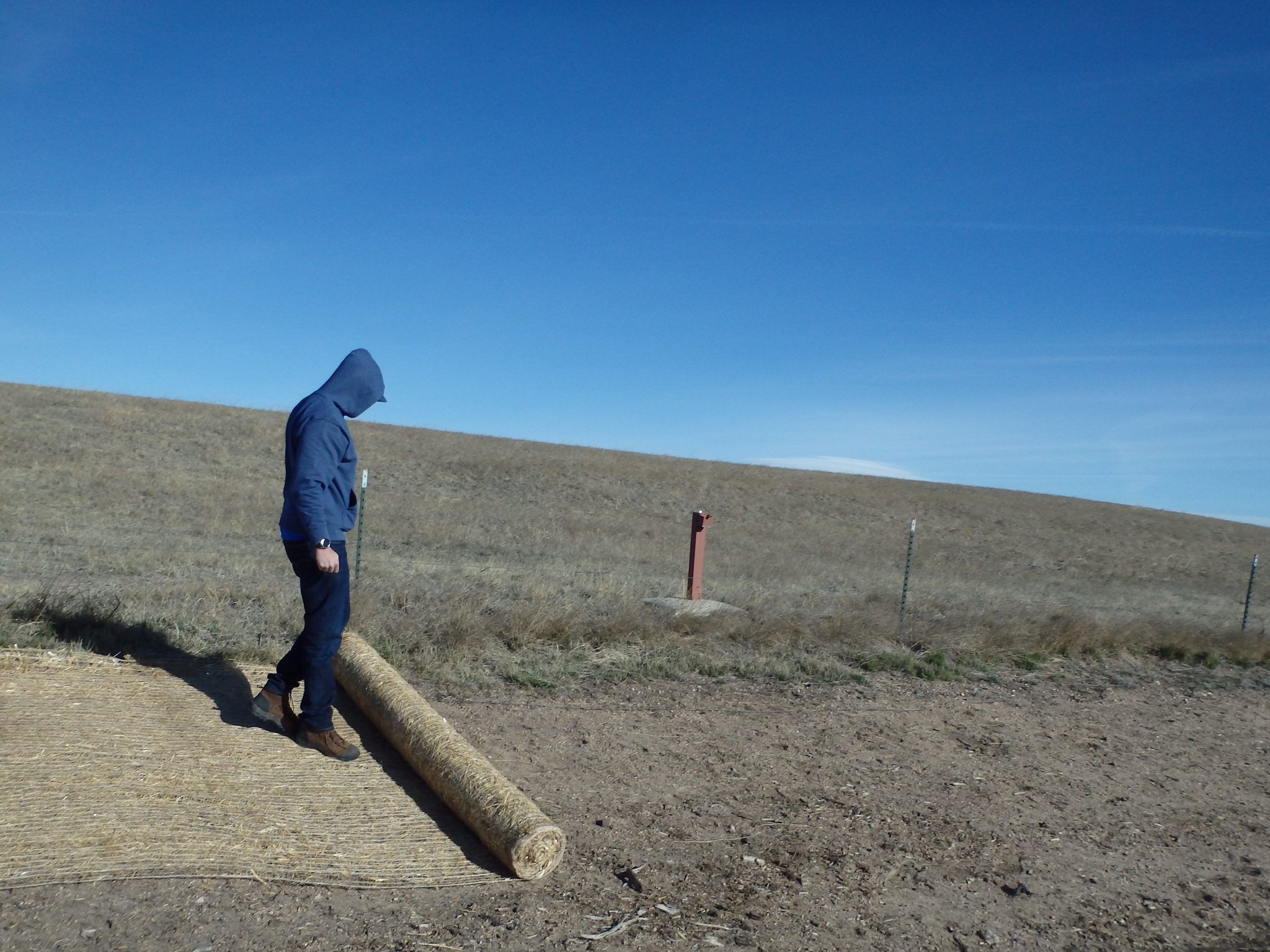
UF/IFAS recommends two crossing passes for even distribution, light coverage after sowing, and a lightweight roller to improve contact. Its guidance is written for Florida lawns, so follow your local extension advice and the seed label where they differ. If you are filling a small patch, loosen the surface first and keep the existing grass from burying the seed. A light straw cover may help hold moisture where wind is a problem.
- Ask your county extension office for seed varieties that suit your local climate and sun exposure.
- Use a soil test for lime and fertilizer decisions. Soil texture alone does not give a safe application rate.
- Follow the seed bag for planting depth and rate. Check local water rules before setting an irrigation schedule.
Water for the seedbed you have
Look at the surface after watering. Is it moist, or has the top already turned pale and dry? Sand can need more frequent checks during germination because it holds little water. The goal is steady surface moisture, with no puddles or runoff. Penn State Extension recommends light, frequent irrigation for new seed, then adjustment for rain, cool weather, and mulch.
Use a fine spray so the first watering does not move seed downhill. UF/IFAS warns that high-pressure watering can wash soil and uncover seed. It also says to reduce watering frequency and wet more of the root zone as seedlings mature. Check moisture below the surface before making that change. Sandy spots can dry at different speeds even within one yard.
For a fuller stage-by-stage explanation, see how often to water new grass seed. If the area washes out or dries between checks, adjust the sprinkler pattern or use a suitable cover. Do not respond by soaking the whole patch at once.
A lawn I'd walk you through: a sandy 600-square-foot patch
Take a hypothetical sunny patch in north Florida with no existing turf to match. The owner wants a low-input lawn and has irrigation for establishment. UF/IFAS says bahiagrass persists in infertile sandy soil, so it is a candidate. The owner still checks the cultivar with the county extension office and reads the seed label.
For area, multiply 20 feet by 30 feet to get 600 square feet. If the chosen bahiagrass bag calls for 6 pounds per 1,000 square feet for a new lawn, multiply 6 by 600/1,000. That is 3.6 pounds of seed for this patch. The 6-pound rate is an illustrative label input within the UF/IFAS 5-to-10-pound range, not a rate for every bahiagrass bag. The owner splits the measured seed between two crossing passes, rakes lightly, and checks moisture each day.
If the same patch sits under mature trees, the choice changes. Bermudagrass would be a poor fit because UGA Extension rates its shade tolerance as poor. A local extension recommendation is more useful than increasing the seeding rate of the wrong species.
What other guides miss
Many seed lists stop at a drought-tolerance label. A young seedling has shallow roots even if the mature grass can handle a dry spell. Penn State Extension says the first 4 to 8 weeks after planting are critical and that poor follow-up care causes many failures. Plan water access before opening the bag.
Sand also does not turn every warm-season grass into a seed choice. UF/IFAS lists St. Augustinegrass as established by sod or plugs in Florida, while only some bermudagrass and zoysiagrass types are available as seed. If you want a specific cultivar, confirm that the cultivar itself is sold as viable seed. A grass name on the bag is not enough.
Once the stand fills in, mowing and watering still depend on the species and local weather. A personalized care plan can give a month-by-month schedule for your grass and ZIP code. If you need to identify the turf before matching it, start with a free grass identification.
Your sandy-soil seeding action plan
- Choose a species for your climate, sun, traffic, and the turf already in place.
- Check the seed label for species, cultivar, germination, and new-lawn rate.
- Test the soil and prepare a level, firm seedbed with amendments guided by the result.
- Measure the area, spread seed in crossing passes, rake lightly, and firm the surface.
- Keep the seedbed moist through germination. As roots grow, water less often and deeper.
If the grass thins after the first dry spell, check moisture and root growth before adding more seed. Seed selection and establishment have to work together.
Top Picks
- Scotts Turf Builder Grass Seed Bermudagrass (4 lb)Check price on Amazon
- Hancock Argentine Bahia Grass Seed (10 lb)Check price on Amazon
- Scotts Wizz Spreader for Grass SeedCheck price on Amazon
As an Amazon Associate we earn from qualifying purchases.
Free Lawn Care Tools
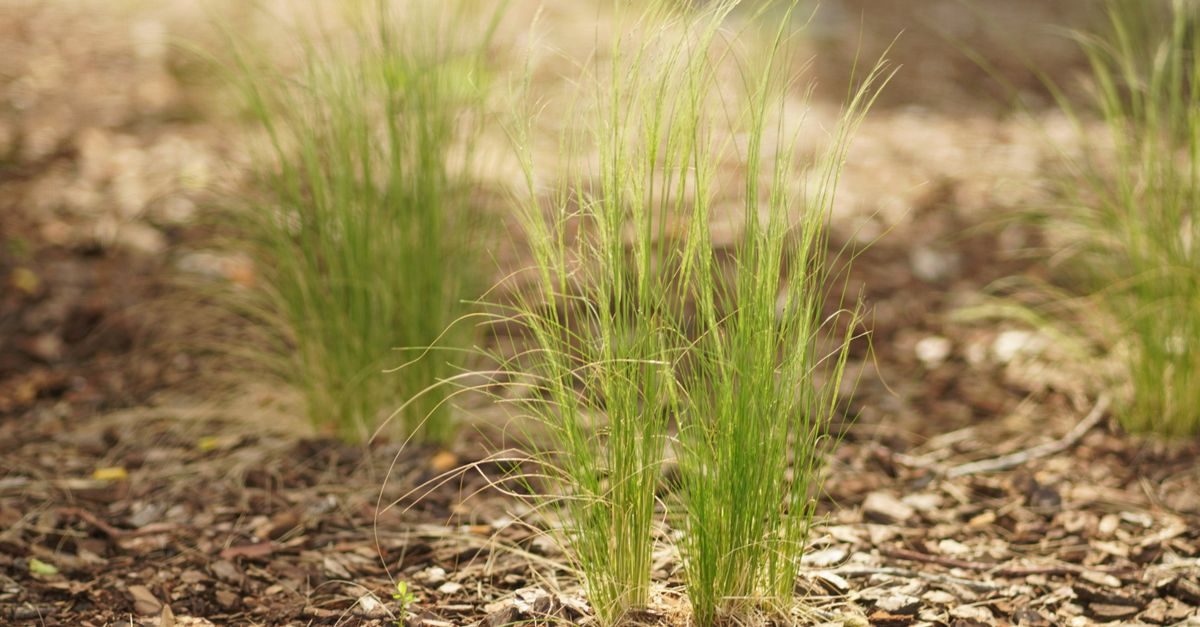
Fine fescues suit a low-traffic lawn with dry, less fertile soil, according to the University of Maine Cooperative Extension. Turf-type tall fescue is another choice for a sunny lawn that needs more wear tolerance, but check local winter hardiness and water access before planting.
In Florida, bahiagrass can suit infertile sandy soil when an open, lower-appearance lawn is acceptable, according to UF/IFAS. Its seed can germinate slowly; choose scarified seed when available. In Georgia, UGA Extension treats it mainly as a utility grass. Ask your local extension office before choosing it elsewhere in the South. Seeded common bermudagrass can suit a sunny site, but needs regular mowing and performs poorly in shade.
A soil test should guide amendments. Penn State Extension says suitable organic matter mixed into sandy soil improves water and nutrient retention. Work a suitable amendment into the seedbed instead of leaving seed on a loose layer of compost.
Keep the seedbed moist without making it saturated. Sandy soil dries quickly, so check the surface and adjust light watering to the weather and the seedbed. UF/IFAS says to water less often but more deeply as seedlings develop roots.
No. UF/IFAS lists sod and plugs, rather than seed, as establishment methods for St. Augustinegrass in Florida lawns. Choose a locally adapted seeded grass or use sod or plugs if St. Augustinegrass is the right species for the site.
Sources (5)
Photos: Famartin / Wikimedia Commons (cropped) · CC BY-SA 4.0

Beat weeds and brown spots from your phone
Snap a photo, get the fix, and follow a plan timed to your soil and weather. Free on iPhone.