Is Yard Mastery's Bio-Stimulant Program Worth It? An Honest Review
 James ThorntonLawn Equipment & Maintenance Expert | 20 Years
As an Amazon Associate we earn from qualifying purchases.
If you have spent any time on lawn care YouTube, you have heard about Yard Mastery's N-Ext liquid program. It is usually pitched as a four-bottle system you spray through the season to wake up your soil, deepen your roots, and green things up without dumping more nitrogen on the lawn. The four bottles are RGS (Roots, Greens, Shoots), Humic12, Air-8, and MicroGreene, and the brand sells them as a bundle that, on paper, covers everything a soil-building program should.
The honest answer to whether it is worth it depends entirely on which bottle you are asking about. Two of these products are built around ingredients with real, well-documented benefits for soil and color. One leans on a marketing claim that does not survive much scrutiny. And the bundle itself is sold direct, not on Amazon, which matters if you care about price and return policies. So let me grade each bottle on its own and then point you at the cheaper, buyable versions of the ingredients that are actually doing the work.
Yard Mastery's N-Ext program is not a scam, but you are paying a branded premium for two ingredients you can buy plain: humic acid and kelp. RGS, Humic12, and Air-8 all lean on humic acid, and MicroGreene is kelp, iron, and micronutrients.
Air-8 is the weak spot, since its liquid aeration story is really just humic acid and it does not relieve compaction the way pulling cores does. Replicate the useful chemistry with a $40.95 gallon of OMRI-listed humic acid and a $38.95 gallon of liquid kelp. Soil test first, and fix real compaction mechanically.
What is actually in the N-Ext program
Strip away the branding and the N-Ext lineup is a small set of soil and foliar inputs. RGS combines humic acid with a bit of seaweed and iron. Humic12 is a concentrated humic and fulvic acid product. MicroGreene is a foliar blend of kelp, iron, and micronutrients aimed at color. Air-8 is straight humic acid sold under an aeration story. None of these are fertilizers in the traditional sense, so do not expect them to replace your spring and fall feeding. If you want a refresher on how the feeding side fits in, our fertilizing guide walks through the timing and the numbers.
The useful way to think about the whole program is that it is mostly two active ingredients sold four ways: humic acid and kelp, with iron and trace nutrients riding along. Once you see that, the value question gets a lot simpler.
RGS and Humic12: the humic acid is the real deal
Humic acid is the ingredient that earns the program most of its goodwill, and that goodwill is deserved. Humic and fulvic acids improve soil structure, help loosen tight clay, and increase the soil's ability to hold and release nutrients to the roots. In sandy soils they help hold onto nutrients that would otherwise leach past the root zone. These are not magic-bullet results, but they are real and they compound over a couple of seasons of regular application. RGS and Humic12 both deliver this, with RGS adding a touch of kelp and iron on top.
The catch is cost and concentration. You are paying a branded premium for humic acid that you can buy as a straight, OMRI-listed concentrate for less. If you want to weigh these liquid soil inputs against a conventional feeding program, our breakdown of organic versus synthetic fertilizers gives you the framing. And before you spend anything on soil amendments, it is worth running a soil test so you actually know what your lawn is short on.
MicroGreene: kelp and iron for color
MicroGreene is the foliar color bottle. Its main story is seaweed and chelated iron, and on that front it does what it says. Liquid kelp carries natural plant hormones and trace nutrients that can improve stress tolerance, and iron is what gives you that fast, deep green without pushing a flush of nitrogen growth you then have to mow. If you want the full picture on why seaweed earns a spot in a lawn program, we cover that in depth in our post on the benefits of using liquid kelp on your lawn, so I will not rehash it here.
As a branded product, MicroGreene is fine. As a value, it is the same situation as the humic bottles: you are paying extra for a blend you can largely replicate with a standalone OMRI-listed kelp concentrate.
Air-8: the "liquid aeration" claim does not hold up
This is where I have to be blunt, because honesty is the whole point of a review like this. Air-8 is sold as "liquid aeration," with the implication that spraying it can stand in for pulling cores out of your lawn. It cannot. Air-8 is humic acid. Humic acid genuinely helps soil structure over time, but it does not mechanically remove plugs of soil, it does not instantly relieve compaction, and it does not open up channels the way a core aerator does in a single pass.
Compaction is a physical problem and it needs a physical fix. If your soil is genuinely compacted, you pull cores. A bottle of humic acid is a soil-building supplement, not a substitute for that. For an honest account of what mechanical aeration actually does and when you need it, read our explainer on core or spike aeration. By all means use humic acid to improve your soil over the long haul, but do not skip core aeration because a label told you a spray would handle it. If you are not sure whether compaction is even your problem, our lawn diagnosis tool can help you narrow it down.
The four-bottle bundle is sold direct, not on Amazon
One thing to know before you go shopping: the full N-Ext four-bottle bundle, and the individual RGS, Humic12, Air-8, and MicroGreene bottles, are sold direct through Yard Mastery rather than as standard Amazon listings I can point you to and stand behind. I am not going to drop a link to something I cannot verify on price and availability, because the moment a listing changes hands or goes out of stock, that link stops being honest. If you want the actual branded bottles, buy them from the source and check the current bundle price yourself.
That said, you do not need the branded bottles to get the benefits, because the two ingredients carrying this program are sold as plain concentrates.
Buyable analogs that do most of the same work
If the goal is improving your soil and getting better color, you can buy the same two active ingredients as standalone, OMRI-listed concentrates and skip the branded markup. Here is the straight mapping from each Yard Mastery bottle to a buyable analog.
| Yard Mastery bottle | What it really is | Buyable analog | Price |
|---|---|---|---|
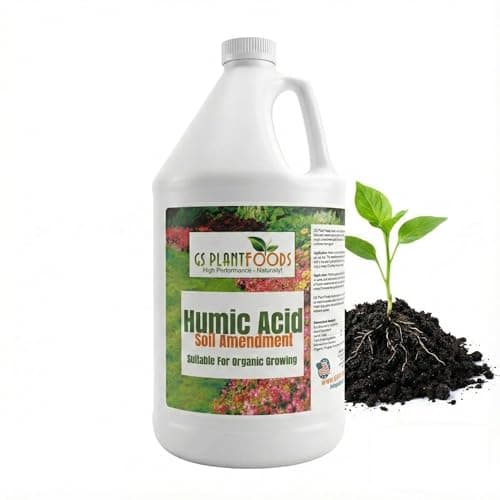
| RGS / Humic12 | Humic and fulvic acid | GS Plant Foods Liquid Humic Acid (1 gal, OMRI listed) | $40.95 |
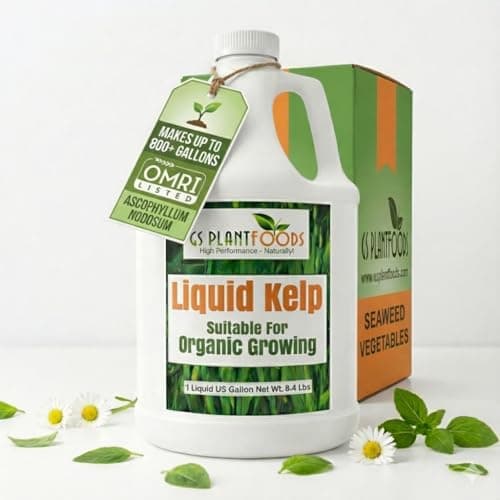
| MicroGreene | Seaweed / kelp plus micros | GS Plant Foods Liquid Kelp Fertilizer (1 gal, OMRI listed) | $38.95 |
| Air-8 | Humic acid (not actual aeration) | Same humic acid as above, plus core aeration when needed | See above |
The humic concentrate covers the RGS, Humic12, and Air-8 soil-building jobs, since all three lean on humic acid. The kelp concentrate covers the MicroGreene color-and-stress angle. Between the two you have replicated the meaningful chemistry of the program for roughly the cost of one or two branded bottles, and the kelp gallon alone makes hundreds of gallons of spray. What you do not get is a slick four-bottle box and a spray schedule printed on the label, which is fine if you are comfortable mixing your own.
The bottom line: pick by goal
Yard Mastery's N-Ext program is not a scam, and the people who like it are not wrong: humic acid and kelp do help your soil and your color over time. The fair criticism is that you are paying a branded premium for two ingredients you can buy plain, and that the Air-8 "liquid aeration" framing oversells what humic acid can do for compaction. Buy the program if you value the convenience and the schedule and you want to support the brand. Build it yourself if you want the same results for less.
If you want soil structure and long-term root health, start with a humic acid concentrate and apply it regularly. If you want fast green-up and stress tolerance without forcing nitrogen growth, add a kelp concentrate. And if your soil is actually compacted, none of these bottles replace pulling cores. Run a soil test first, fix compaction mechanically when it exists, and use these liquids as the supplements they are rather than the miracle the marketing implies.
Free Lawn Care Tools
No, Air-8 is just humic acid sold under an aeration story. Humic acid helps soil structure over time, but it doesn't mechanically remove plugs of soil or relieve compaction the way a core aerator does in one pass. If your soil is genuinely compacted, you need to pull cores, not spray a bottle.
The ingredients doing the work, humic acid and kelp, are real and effective, but you're paying a branded premium for them since the bundle is sold direct rather than at a discount retailer. You can buy the same two active ingredients as standalone OMRI-listed concentrates for roughly the cost of one or two branded bottles. Buy the bundle if you want the convenience and printed schedule, build it yourself if you want the same results for less.
Buy a plain, OMRI-listed humic acid concentrate, like a $40.95 one-gallon jug, and apply it regularly. RGS, Humic12, and Air-8 all lean on humic acid as their active ingredient, so one concentrate covers the soil-building job all three bottles are doing. You just won't get the printed spray schedule that comes with the branded box.
RGS combines humic acid with a bit of seaweed and iron, aimed mainly at soil structure and nutrient holding. MicroGreene is a foliar blend of kelp, iron, and micronutrients aimed at fast color instead. Both lean on the same core ingredients, humic acid and kelp, just packaged for different goals.
Yes, don't rely on Air-8 alone if compaction is your actual problem. It's straight humic acid, which is a real soil-building supplement over time, but compaction is a physical problem that needs a physical fix like core aeration. Use humic acid for the long-term soil benefit, and pull cores separately when the lawn is genuinely compacted.

Your lawn plan, in your pocket all season
Grass ID, a season plan, soil-timed reminders, and a lawn journal that remembers what you did. Free on iPhone.
Related Articles
 Fertilizing
Andersons PGF Complete 16-4-8 Application Guide: Rate, Schedule + Results
Jul 8, 2026•11 min read Fertilizing
Simple Lawn Solutions 16-4-8 Review: Results, Rate, and How to Apply (2026)
Jun 27, 2026•2 min read Fertilizing
Scotts Fall Weed and Feed: When to Apply, Settings and Which Bag to Buy
Sep 12, 2026•10 min read