
Why armyworms show up out of nowhere
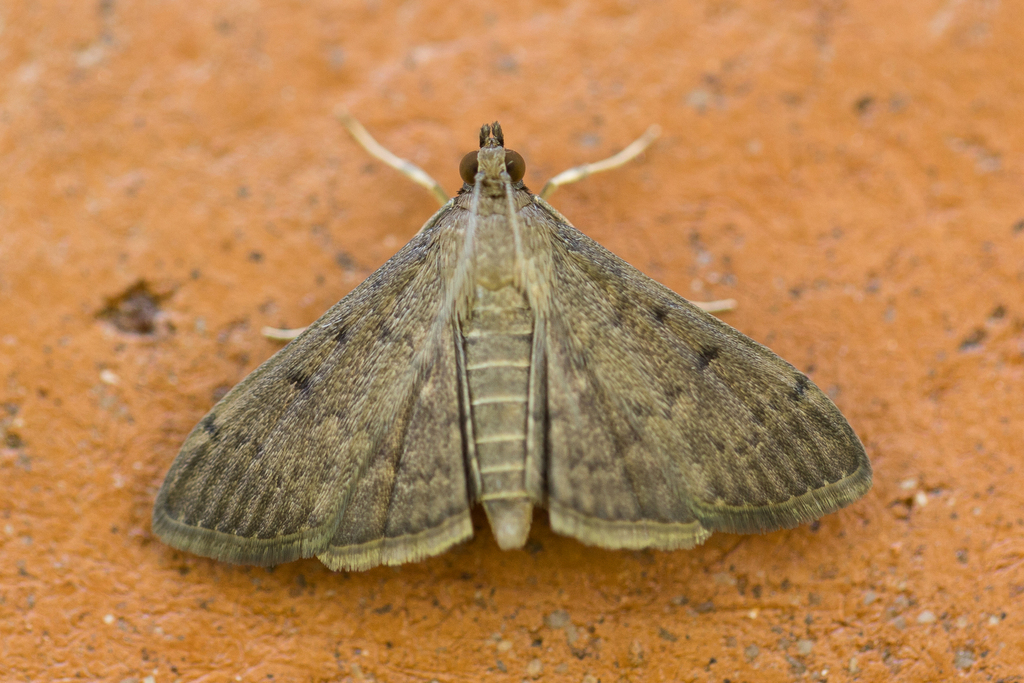
Armyworms do not overwinter across most of their damage range. The moths migrate north through spring and summer, and a lawn that had none in June can be hosting thousands in August because a flight came through and laid eggs. That is why the damage feels so sudden and why neighbors often all get hit in the same week.
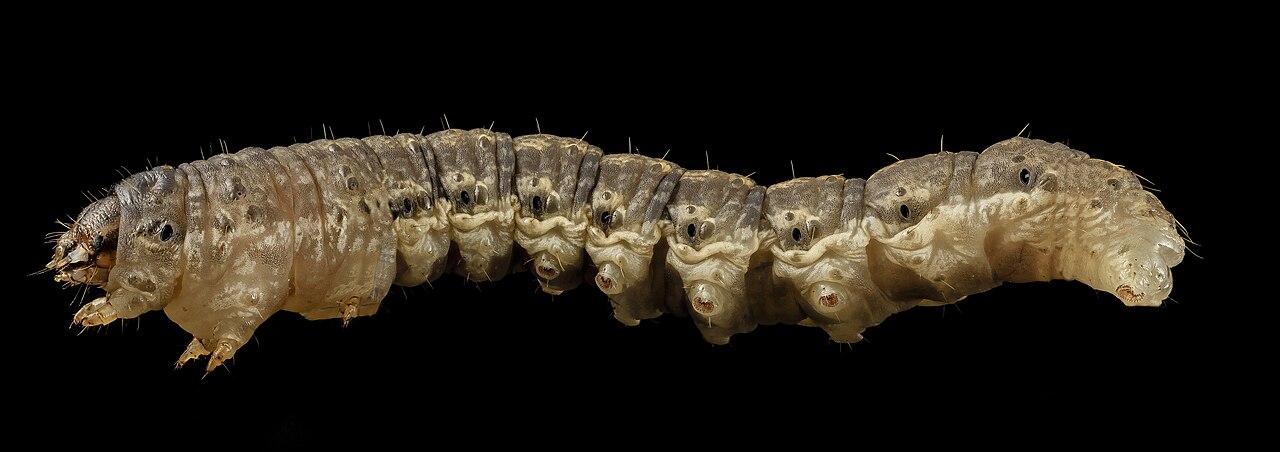
Once the eggs hatch, the larvae feed hard for two to three weeks and then pupate, so the destructive window is short and intense. Early on, when the caterpillars are small, feeding is subtle enough that people miss it entirely. By the time the damage is obvious the larvae are large, eating the most they will ever eat, and close to done. That is the whole reason armyworms have a reputation for taking a lawn overnight: the last few days of a two week feed do most of the visible damage.
What to do the day you find them, and after
Act the same day. Look at the edge, confirm live caterpillars, and treat while they are still small if you can. Mow before you treat rather than after, and mow high, so the grass keeps leaf area for regrowth. Do not water the lawn heavily right before treating unless the product label tells you to, and always follow the label on watering in, since it varies by product.
Afterward, focus on recovery rather than revenge. Armyworms eat leaf tissue, so warm-season lawns with intact crowns and roots often green back up within a couple of weeks given water and a light feeding. Keep checking for a second wave, since more than one generation can come through in a season. Watching for moths around outdoor lights in late summer is a cheap early warning that costs you nothing but attention.
How do you identify armyworms?
- A brown area with a distinct edge that is noticeably bigger the next morning
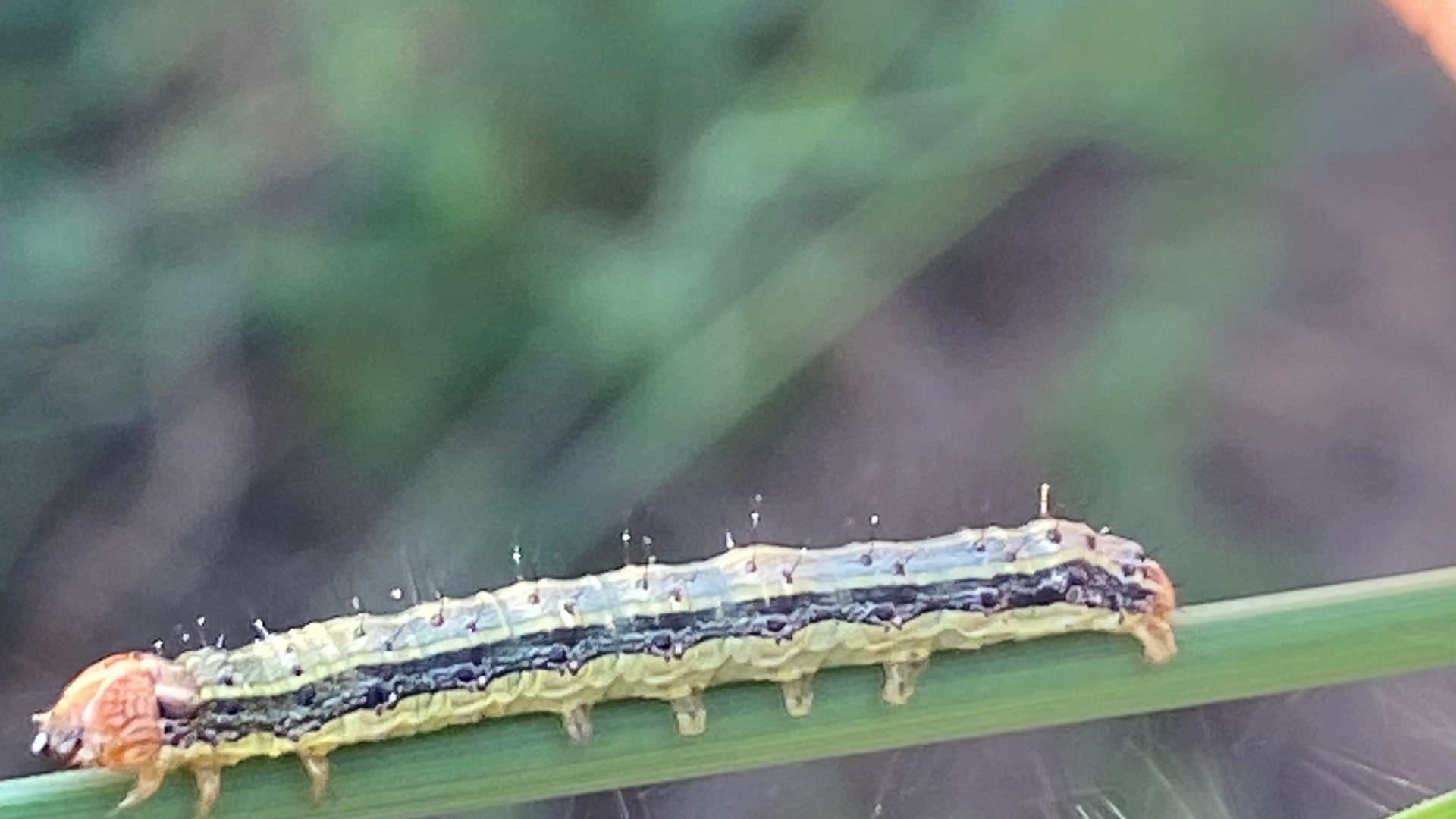
- Green-brown striped caterpillars one to two inches long, easiest to see at dawn or dusk
- Grass chewed right down to the crown so the area looks shaved rather than wilted
- Large flocks of birds working the same section of lawn for days
- Caterpillars moving together in one direction rather than scattered singly
What the damage looks like
Rapidly expanding circular brown areas; entire sections of lawn can be consumed overnight.
Is it armyworms or something else?
How do you check for armyworms?
Soap flush test or inspect at dawn/dusk when caterpillars are actively feeding. Look for green pellets of frass and advancing damage front.
Check at dawn or dusk, when the caterpillars feed in the open, and look just ahead of the damage edge rather than inside it. A soap flush works, but with armyworms the visual check is usually enough because there are so many of them and they are large. Speed matters more here than precision.
When should you treat for armyworms?
- Late summer and fall: the damage seasonArmyworms do not overwinter across most of the range they damage. The moths migrate north through spring and summer, so a lawn with none in June can be full of caterpillars in August. Late summer into fall is when you scout, regardless of what the spring looked like.
- The nights you see moths at outdoor lightsThat is the free early warning. Check the lawn at dawn the next morning and again a few days later, because the first week or two of feeding by small larvae is nearly invisible.
- The day you confirm live caterpillars: actLarvae feed for two to three weeks and eat the most in their final days, so waiting a week is the difference between a treatable population and a bare lawn. Mow first and mow high so the grass keeps leaf area for regrowth, then follow the label on watering in.
- Two to three weeks later: check againMultiple generations move through in a season in warmer regions, and a second wave a few weeks behind the first is common. Recovery watering and a light feeding go in over the same stretch.
These windows shift by a few weeks with latitude and with the season you are actually having, so treat them as the shape of the year rather than as dates. Your county extension office publishes the local timing, and the population that justifies treating where you live.
How do you get rid of armyworms?
Start here: cultural
- Mow high to give grass reserves for recovery
- Water and fertilize after damage to promote regrowth
Organic and biological
- Bacillus thuringiensis (Bt) for young larvae
- Spinosad
- Beneficial nematodes
Conventional product categories
- Bifenthrin
- Chlorantraniliprole
- Cyfluthrin
Keep kids and pets off treated areas until the product has dried and any re-entry interval printed on the label has passed. That applies to the organic and biological options too, since most of them are still pesticides.
These are active ingredient categories, not a prescription. Rate, timing, and watering-in come from the product label. Confirm the label lists both your pest and your grass type before you apply anything.
Keeping it from coming back
- Monitor for adult moths around outdoor lights
- Inspect lawn in early morning when larvae are active
- Act immediately; armyworms cause severe damage in days
Pest control quotes
Get matched with local pest control pros on Angi. Free quotes, no obligation.
Angi is a partner; we may earn a commission if you request quotes there.
What products work on armyworms?
These picks are not filtered to your lawn. Insect products differ in which pests and which grasses they are labeled for, and none of them are a substitute for confirming the pest first. Read the label for your pest, your grass type, and the rate before you buy.
Recommended Products
- 1Check price
 Top pick
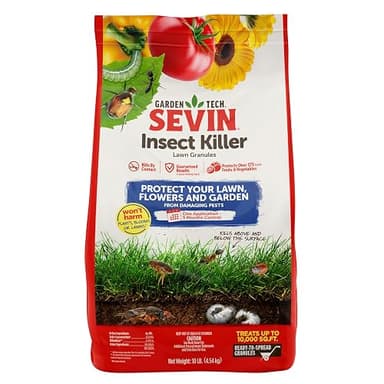
Sevin Insect Killer Granules 10 lb
Broad-spectrum granular insect killer for grubs, ants, fleas, ticks, and 100+ listed lawn pests. Armyworms move fast. Treat confirmed active feeding promptly.
- 2Check price
 Best value
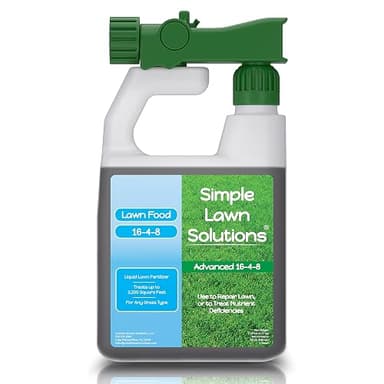
Simple Lawn Solutions Advanced 16-4-8
Liquid 16-4-8 lawn food for quick feeding on established lawns when you want balanced NPK and simple hose-end application. Bermuda and other warm-season lawns can rebound after feeding and water.
- 3Check price
 Also great
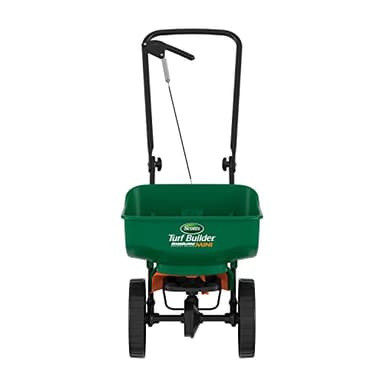
Scotts Turf Builder EdgeGuard Mini Broadcast Spreader
Simple broadcast spreader for granular fungicides, grub control, fertilizer, and recovery products that need even coverage. Use for even granular insect-control coverage.
As an Amazon Associate we earn from qualifying purchases.
Where do armyworms show up?
Most common in these regions:
Grass types at risk