
Why timing matters more with mole crickets than almost any pest
Mole crickets run one generation a year across most of the Southeast and Gulf Coast, and that single generation has a very clear soft spot. Adults tunnel and mate in spring, which is when you see the most obvious surface activity but the least actual root damage. The eggs hatch in early summer, and the nymphs that emerge are small, close to the surface, and genuinely vulnerable. Then they feed and grow all summer, and by late summer the damage peaks and the insects have become large, deep, and hard to reach.
That is why treating in spring because the tunnels look bad, or in fall because the lawn looks worst, both tend to disappoint. The spring activity you see is adults you cannot easily kill, and the fall damage is done by insects that are nearly full grown. The useful window is the short stretch right after the nymphs hatch, which is exactly when the lawn still looks fine.
A season of scouting beats a season of spraying
The whole plan turns on knowing when nymphs appear in your area, which is a local question. Scout with a soap flush every week or two through early summer, keep notes on what you find, and let that decide the timing rather than the calendar. Soil moisture matters more than most people expect: mole crickets drop deeper when soil is dry, so a dry lawn will read as clean even when it is not. Water before you scout.
Between treatments, work on the lawn itself. Rolling or firming the tunneled areas helps grass roots reconnect with soil so the turf stops looking spongy, and steady irrigation keeps damaged grass growing over the tunnel network. Overseeding or plugging thinned areas closes the gaps before weeds find them. None of that removes mole crickets, but a dense lawn hides and tolerates far more tunneling than a thin one.
How do you identify mole crickets?
- Turf that feels soft and spongy when you walk on it, almost like walking on a mattress
- Raised trails snaking across the surface where the soil has been pushed up from below
- Small piles of loose, granular soil pushed out onto the grass
- Grass wilting and thinning in irregular streaks that follow the tunnel lines
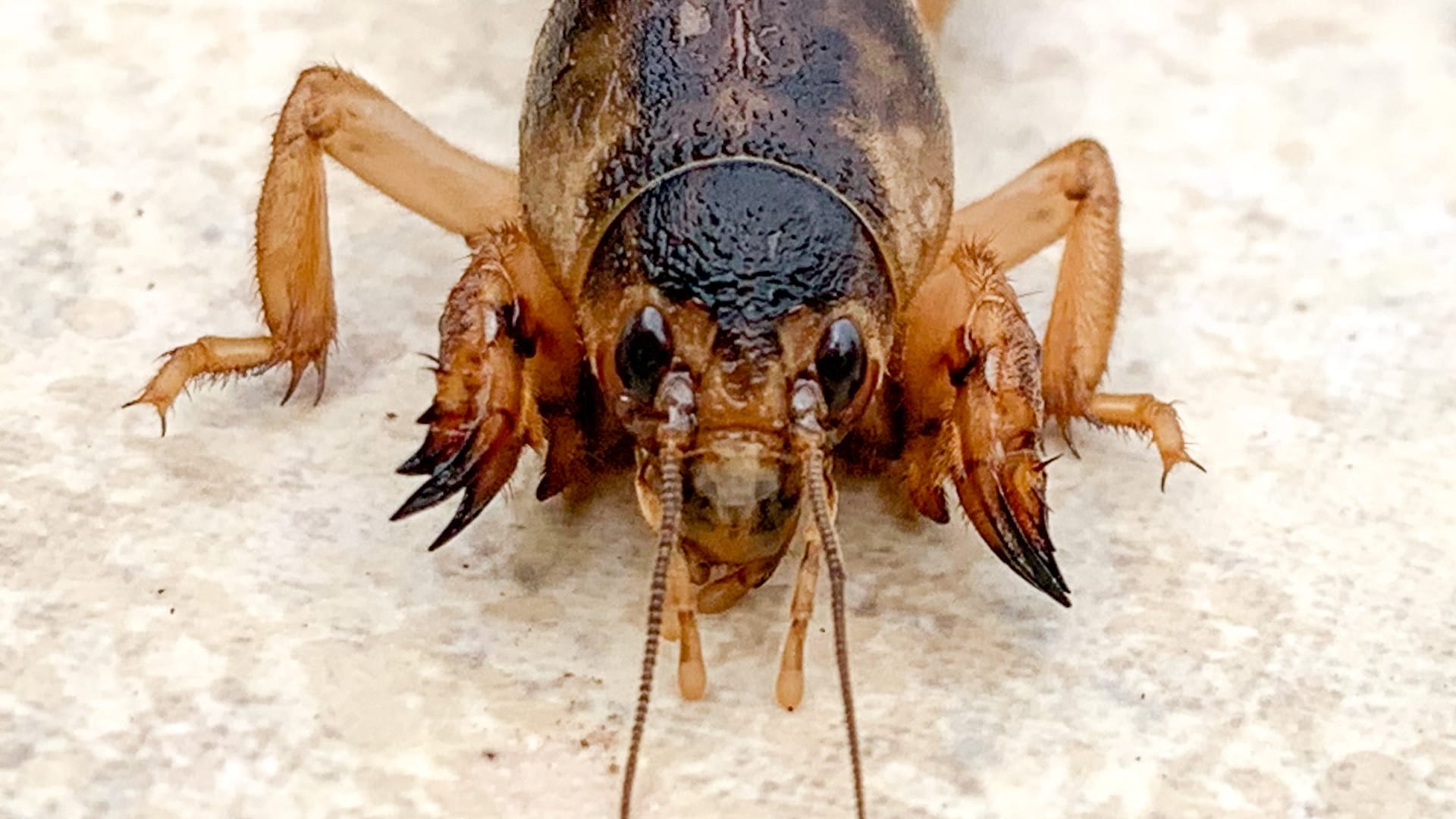
- Brown, velvety insects one to two inches long with wide shovel-like front legs
What the damage looks like
Soft, spongy turf with raised tunnels visible on the surface; grass dies from root disruption.
Is it mole crickets or something else?
How do you check for mole crickets?
Soap flush test: pour soapy water (2 tbsp per gallon) over 4 sq ft. Mole crickets surface within 3-5 minutes. Check in the evening.
Do the soap flush in the evening, when mole crickets come toward the surface, and pick a spot with fresh tunneling rather than old damage. Watering the area an hour beforehand brings them up out of dry soil and makes the flush far more reliable. Young nymphs are much easier to control than adults, so what you are really scouting for is the first appearance of small ones.
When should you treat for mole crickets?
- Spring: adults tunnel and mate, and you do not treatThis is when surface activity looks worst and when treatment disappoints most, because the insects doing the tunneling are full-grown adults that are hard to kill. Note where the tunnels are and leave the sprayer alone.
- Early summer: soap flush every week or twoYou are watching for the first small nymphs, which is the whole point of the scouting. Water the area an hour beforehand, because mole crickets drop deep in dry soil and a dry lawn reads clean when it is not.
- June and July: the one window that worksNymphs hatch in June and spend a short stretch small and close to the surface, which is when they are genuinely vulnerable. Preventive control for nymphs goes down in June and July, before the lawn looks like anything is wrong.
- Late summer and fall: repair, do not sprayDamage peaks now, but the insects are large, deep, and nearly done growing. Roll or firm the tunneled areas so roots reconnect with soil, keep it watered, and overseed or plug the thin spots before weeds take them.
These windows shift by a few weeks with latitude and with the season you are actually having, so treat them as the shape of the year rather than as dates. Your county extension office publishes the local timing, and the population that justifies treating where you live.
How do you get rid of mole crickets?
Start here: cultural
- Roll turf to compress tunnels
- Irrigate to settle soil
- Overseed damaged areas
Organic and biological
- Beneficial nematodes (Steinernema scapterisci)
- Larra bicolor wasps (biological control)
- Beauveria bassiana
Conventional product categories
- Bifenthrin
- Imidacloprid
- Fipronil (bait formulations)
Keep kids and pets off treated areas until the product has dried and any re-entry interval printed on the label has passed. That applies to the organic and biological options too, since most of them are still pesticides.
These are active ingredient categories, not a prescription. Rate, timing, and watering-in come from the product label. Confirm the label lists both your pest and your grass type before you apply anything.
Keeping it from coming back
- Monitor for adult flights in spring
- Apply preventive control for nymphs in June-July
- Maintain thick turf
Pest control quotes
Get matched with local pest control pros on Angi. Free quotes, no obligation.
Angi is a partner; we may earn a commission if you request quotes there.
What products work on mole crickets?
These picks are not filtered to your lawn. Insect products differ in which pests and which grasses they are labeled for, and none of them are a substitute for confirming the pest first. Read the label for your pest, your grass type, and the rate before you buy.
Recommended Products
- 1Check price
 Top pick
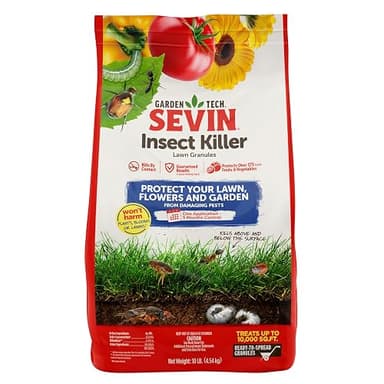
Sevin Insect Killer Granules 10 lb
Broad-spectrum granular insect killer for grubs, ants, fleas, ticks, and 100+ listed lawn pests. Broadcast granules when young nymphs are near the surface in early summer, then water in. Check that the label lists mole crickets.
- 2Check price
 Best value
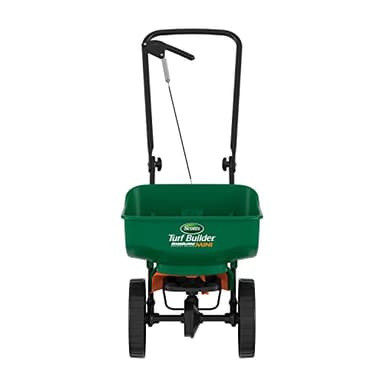
Scotts Turf Builder EdgeGuard Mini Broadcast Spreader
Simple broadcast spreader for granular fungicides, grub control, fertilizer, and recovery products that need even coverage. Even spreader coverage over the tunneled area matters more than extra product.
- 3Check price
 Also great
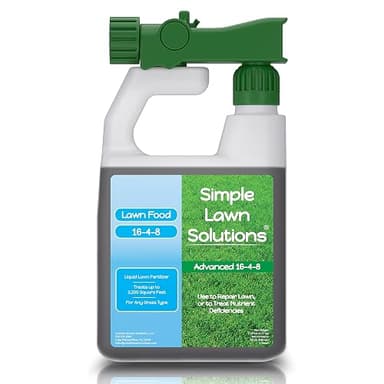
Simple Lawn Solutions Advanced 16-4-8
Liquid 16-4-8 lawn food for quick feeding on established lawns when you want balanced NPK and simple hose-end application. Tunneling dries out roots; light feeding and deep watering help turf re-root.
As an Amazon Associate we earn from qualifying purchases.
Where do mole crickets show up?
Most common in these regions:
Grass types at risk
UF/IFAS ranks these rather than listing them flat: bahiagrass and bermudagrass take the most mole cricket damage, while centipede, St. Augustine, and zoysia are the least often injured. No warm-season grass is immune, so a spongy zoysia lawn is still worth flushing.