How to Get Rid of Foxtail Grass in Your Lawn (and Keep It Out)
 Sarah MitchellLawn Diagnostics Specialist | 12 Years
As an Amazon Associate we earn from qualifying purchases.
You mowed in June and everything looked fine. Then July hit, and suddenly there are these fuzzy, bottle-brush seed heads standing a foot above your turf like little green pipe cleaners. You mow them off, and nine days later they are back. That is foxtail weed, and the reason it feels like it appeared overnight is that, in a sense, it did.
Foxtail is a summer annual, so every plant in your lawn dies at the first hard frost. That makes control a seed problem, not a killing problem: mow before seed heads go tan and brittle, bag every clipping while heads are present, and hand-pull isolated clumps before they mature.
The actual cure runs on next spring's calendar. A pre-emergent applied before soil temperatures hit the germination range stops the seed bank from ever sprouting, and thick turf keeps the survivors from finding daylight. Post-emergent options for grassy weeds inside a lawn are genuinely limited, so anyone promising you a spray that erases foxtail without touching your grass is overselling it. Check your local extension for products and rates labeled for your turf type.
How to Identify Foxtail (and What It Gets Confused With)
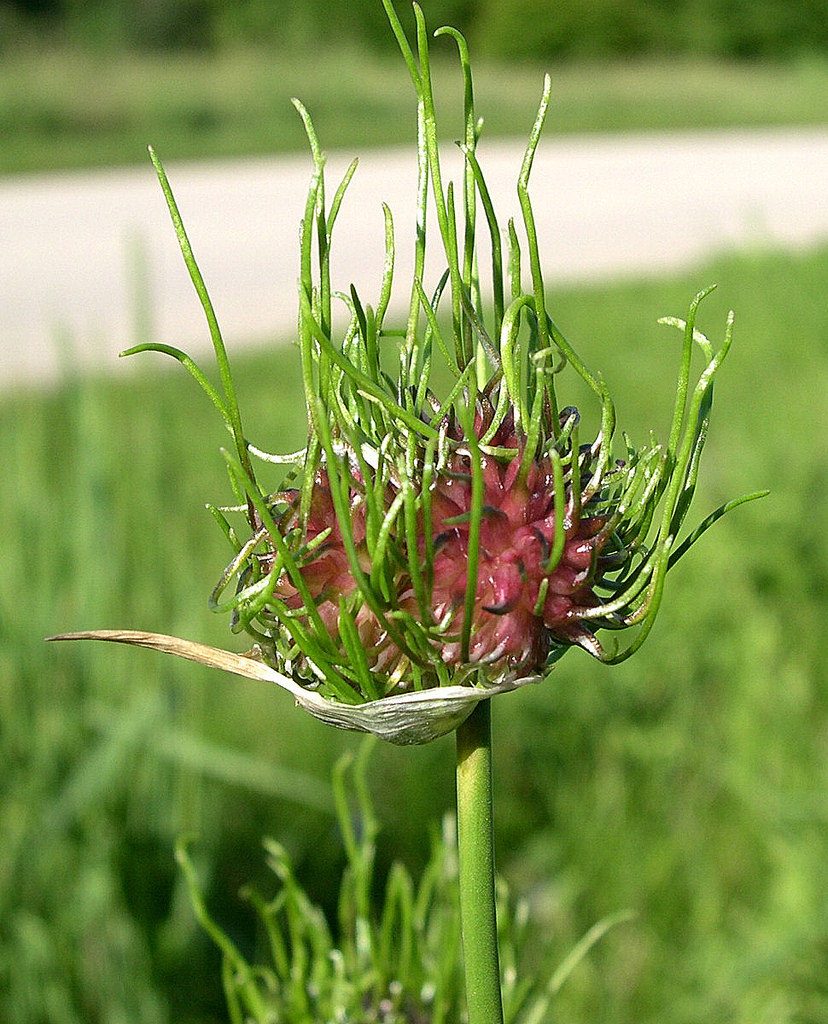
In my years diagnosing turf problems, foxtail is one of the easier weeds to call from a photo, because the seed head does all the work. It is a dense, cylindrical spike, usually two to five inches long, covered in fine bristles that give it that soft bottle-brush or fox-tail look. Green foxtail and yellow foxtail are the two you will most likely meet in a home lawn, and they behave close enough to identical that you do not need to separate them to treat them.
Below the seed head, look for a flat, fairly wide blade, often a shade lighter or more yellow-green than the turf around it. Foxtail grows in loose clumps rather than spreading by runners, and those clumps stand taller and coarser than your lawn grass, which is why they look wrong even before the heads emerge. Yellow foxtail typically shows long silky hairs at the base of the blade near the collar, which is a useful confirmation. For the full breakdown and side by side photos, our foxtail (Setaria) identification page covers it in detail.
The Three Things People Mistake It For
Timothy. This one trips up a lot of homeowners because timothy also carries a dense cylindrical head. The difference is texture. Timothy's head is smooth and tight, and it lacks foxtail's soft bristly halo. Timothy is also a perennial, usually arriving in a cheap seed mix, so the fix is different.
Crabgrass. Crabgrass sprawls low and flat, spreading out from a center point like the legs of a crab, and its seed head is a set of finger-like spikes fanning out from a single tip. Foxtail stands up. If the plant is upright and clumping with one fuzzy spike per stem, it is not crabgrass. This distinction matters because crabgrass and foxtail share a pre-emergent window, which is convenient, but they look nothing alike once they head out.
Dallisgrass. This is the one you really want to get right, because dallisgrass is a perennial and foxtail is not, and that single fact changes your whole plan. Dallisgrass sends up a tall stalk with several spikes spaced along it, each lined with black-flecked spikelets, and it regrows every spring from an underground crown. If your clumps came back in the same exact spots year after year, read our guide on how to get rid of dallisgrass instead, because pre-emergent will do nothing for you.
If you are looking at a clump and going back and forth on it, do not guess. Upload a photo and let the AI diagnose it before you spend money on a product aimed at the wrong plant. Plenty of the failed weed treatments I see are treatments that would have worked fine, just on a different weed.
The Dog Danger Worth Taking Seriously
If you have dogs, foxtail deserves more attention than an ordinary lawn weed. When those seed heads dry out and break apart, the individual seeds carry stiff, backward-facing barbs built to hitch a ride on animal fur and work their way forward. They do not reverse direction. On a dog, a seed can lodge between toes, in an ear canal, up a nostril, or in an eye, and then keep migrating inward rather than falling back out.
What I tell homeowners with dogs is practical and specific:
- Cut and bag seed heads in any area your dog uses, and do it before the heads go tan and brittle. Green heads have not shattered yet.
- Check paws, ears, armpits, and the coat after your dog has been in tall grass or an untended field edge, which is usually where the real foxtail load lives.
- Watch for the tells: sudden persistent head shaking, obsessive licking or chewing at one paw, a swollen spot between the toes, violent repeated sneezing, or squinting in one eye.
- If you see those signs, call your veterinarian rather than digging around yourself. An embedded awn that has already migrated is not a tweezers-at-home situation, and waiting on it lets it travel farther.
The lawn itself is usually the smaller risk. The fence line, the alley strip, the unmowed corner behind the shed, and the vacant lot next door are where dogs pick most of these up. Mow the edges you control.
Why Foxtail Invaded in the First Place
Foxtail does not out-compete healthy, dense turf. It fills vacancies. Every time I get called out to a bad foxtail year, the story is the same: something opened up bare ground, and foxtail seed was waiting.
The usual openings are thin turf from summer drought or a scalped mowing, bare patches left by grubs or dog urine, compacted strips along driveways where nothing else will root, and new construction. That last one is the biggest offender. Builder fill dirt and disturbed subsoil are loaded with weed seed, and a new lawn's first two summers are often a foxtail parade before the turf knits in.
Mowing height matters too. Cut short, you let sunlight reach the soil surface, and warm-season annual seeds need exactly that to trigger. Our mowing height calculator gives you the right height for your grass type, and for most lawns the answer is taller than what people are actually doing.
Getting Rid of Foxtail Right Now, This Season
Here is the part that surprises people. Everything you do in July and August is damage control, not a cure. Every foxtail plant in your yard dies at frost regardless of what you do. What you are actually fighting for is preventing seed set.
Hand pull isolated clumps. Foxtail has a shallow fibrous root system with no crown or rhizome to chase, so it comes up cleanly, especially after rain. That is genuinely effective on scattered plants in a way it never is with perennial weeds. Bag the clumps, and do not compost them if the heads have started to mature.
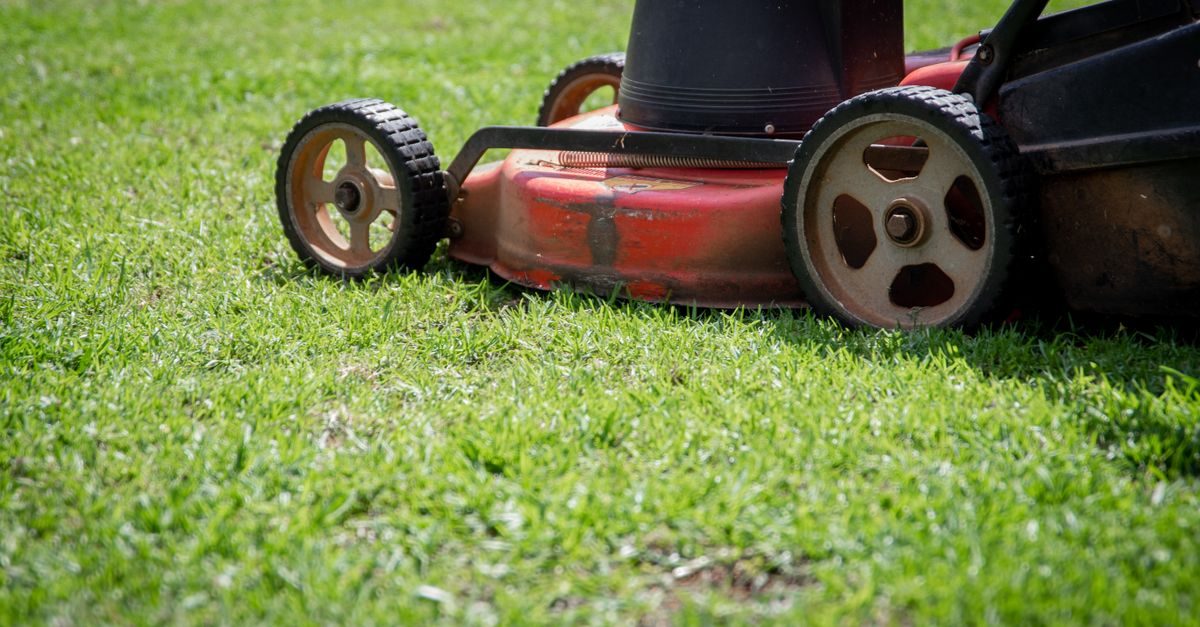
Mow before the heads mature, and bag your clippings. This is the single highest value thing you can do in season. A green seed head that gets cut and bagged is a seed that never enters your soil. A tan, brittle head you mulch back into the lawn is thousands of seeds you just planted for yourself. Bag through foxtail season, then go back to mulching.
Spot treat rather than blanket spray. Selective control of a grassy weed inside a grass lawn is chemically hard, because your turf and your weed are close relatives. Options exist depending on your grass type and foxtail species, but there is no universal answer, and a wrong pick will thin or kill the lawn you are trying to save. Where no selective option fits your turf, spot treating individual clumps and reseeding the dead spot is the honest route.
- Post-emergent chemistries labeled for annual grassy weeds vary substantially by turf species. What is safe on a Bermuda lawn can damage fescue or St. Augustine. Confirm your grass type appears on the label before buying anything.
- Your state or county extension service publishes turf weed control recommendations for your specific region, including which actives are currently registered for homeowner use. Those recommendations change; a product recommended three years ago may no longer be labeled.
- Application rates, temperature restrictions, and reapplication intervals belong to the label. Herbicides applied above certain air temperatures can injure turf even at the correct rate.
- Ask specifically about foxtail rather than "grassy weeds" generally. Green, yellow, and giant foxtail can differ in their response to a given active ingredient.
Keeping It Out: The Part That Actually Works
Foxtail is an annual, so it must start over from seed every single spring. That is your leverage. Stop germination and you have won, and unlike perennial weeds there is no crown or tuber underground waiting to laugh at you.
Pre-Emergent, Timed to Soil Temperature
Pre-emergent herbicide forms a barrier that stops germinating seedlings from establishing. It only works if it is already down before the seed germinates. Applied a week late it does effectively nothing, and that is the number one reason homeowners conclude "pre-emergent doesn't work."
The trigger is soil temperature, not the calendar and not the air temperature. Summer annual grasses germinate as soil warms through a threshold range in spring, and that date can swing by weeks between one year and the next in the same yard. Track it with our soil temperature tool, and use the herbicide timing tool to line up the window for your region.
If you would rather not track this yourself, this is exactly what a personalized care plan is for. It flags the specific week your zip code's pre-emergent window opens, so foxtail never germinates in the first place instead of you noticing seed heads in July and reacting.
- Soil temperature germination thresholds for summer annual grasses are published by regional extension offices and measured at a specific soil depth. Use their stated depth and threshold, not a generic number.
- Product selection depends on your turf species and on whether you plan to seed. Most pre-emergents prevent your grass seed from establishing too, which rules out a spring application if you are seeding.
- Rates and whether a second, split application is needed to extend the control window are label and region specific.
- Confirm irrigation requirements. Many pre-emergents need water within a set window to activate, and one that never gets watered in never forms a barrier.
Thick Turf Is the Real Cure
Chemistry buys you time. Density buys you permanence. Foxtail seed needs light and open soil to germinate, and a dense canopy denies it both. Three habits do most of the work: mow tall and often enough that you never remove more than about a third of the blade at once, water deeply and less frequently so roots go down instead of sideways, and close every bare spot in fall, when cool-season grasses establish best and you are not fighting summer annuals for the same ground. Our overseeding calculator sizes the seed for the patch you are fixing.
Note that fall overseeding and spring pre-emergent conflict, since pre-emergent blocks your new seed as readily as it blocks foxtail. Seed in fall, apply pre-emergent the following spring, and you sidestep it.
Recommended products
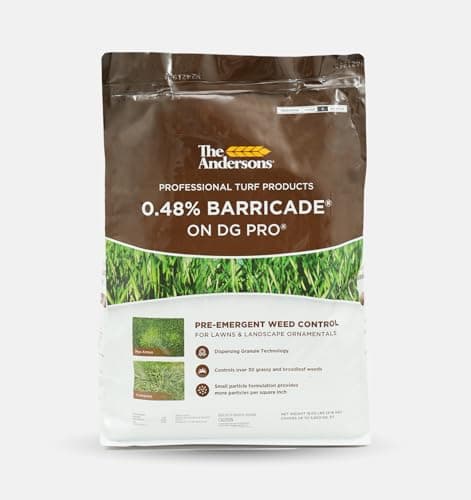
The Andersons Barricade Professional-Grade Prodiamine
A granular prodiamine pre-emergent that blocks foxtail seed from establishing.
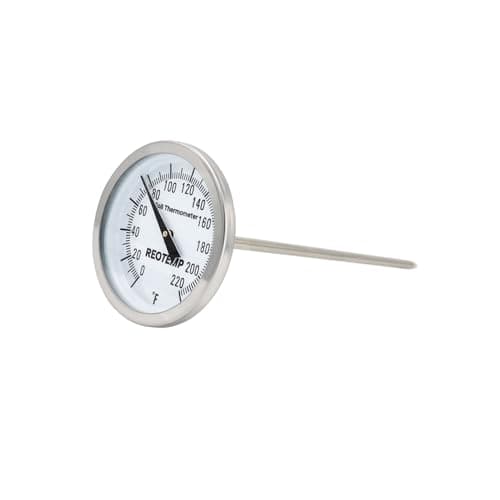
REOTEMP Waterproof Soil Thermometer, 5 inch Stem
A soil thermometer for timing that pre-emergent application.
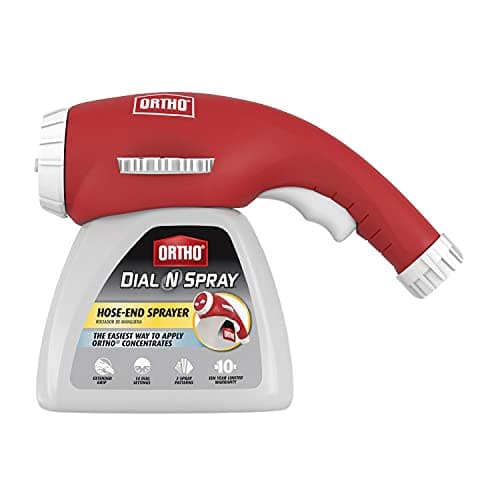
Ortho Dial N Spray Hose-End Sprayer
A hose-end sprayer with fourteen dilution settings for liquid pre-emergent and spot work.
When to Renovate Instead
There is a point where spot treating stops making sense. My rough line: when foxtail and other weeds occupy more than about half the area, you are no longer maintaining a lawn with a weed problem, you are maintaining a weed patch with some grass in it. Killing the weeds at that density leaves you with mostly bare dirt anyway.
Renovation means killing off the existing stand, preparing the soil, and reseeding or sodding, ideally in late summer or early fall for cool-season grass. It is more work up front and dramatically less over the following three years. The mistake I see is people spending four consecutive summers spot spraying a lawn that needed one honest fall renovation.
What Other Guides Miss
Most foxtail advice treats it as a killing problem. It is a calendar problem.
Think about what happens if you spend all of July and August diligently killing foxtail plants, but a few heads mature and shatter before you get to them. You killed hundreds of plants and accomplished nothing, because those plants were going to die at frost anyway and the seeds went into the soil regardless. Now flip it. Suppose you kill nothing at all, but you bag every clipping and cut every head green. Ugly lawn all summer, and next spring is measurably better. That is the trade nobody frames clearly, and it is why timing beats intensity with this weed.
The second thing that gets skipped: one clean season is not victory. Foxtail seed stays viable in soil for years, so a spring with zero foxtail does not mean the bank is empty. It means this year's conditions did not trigger what is still down there. Homeowners who get one good year, skip pre-emergent the next spring, and get blindsided are following exactly the pattern the seed bank sets up. Plan on holding the line for several consecutive seasons.
Third, and this is the one that costs the most money: foxtail usually gets diagnosed by seed head in July, when the plant has already done the damage that matters. The window where identification changes your actions is spring, before germination. That is the case for identifying your weeds early and building a schedule around them rather than reacting to what pops up, and the same logic applies to nutsedge and broadleaf plantain.
Your Foxtail Action Plan
- Confirm the identification. Rule out timothy, crabgrass, and especially dallisgrass, because a perennial changes everything about your plan. Compare against the foxtail identification page or snap a photo for a free diagnosis.
- Bag your clippings for the rest of the season, starting with your next mow. This is the highest leverage step on the list.
- Mow before heads mature. Green and soft is fine to cut. Tan and brittle means it is already shattering.
- Hand pull scattered clumps. Shallow roots, no crown, easy after rain. Bag them, do not compost them.
- Spot treat heavy areas only, using a product your extension confirms is labeled for your turf type, at the label rate.
- Overseed bare spots in early fall, remembering this rules out fall pre-emergent in those areas.
- Raise your mowing height permanently. Shade the soil surface and you shut down germination signals for next year's annuals.
- Mark your spring pre-emergent window now. Track soil temperature rather than a calendar date, and get the application down before the threshold is crossed.
- Repeat for at least three springs. The seed bank outlives one good season.
- Renovate if weeds exceed roughly half the lawn. One honest fall renovation beats four summers of spot spraying.
Foxtail feels aggressive because it shows up loud and fast. But of all the grassy weeds I get asked about, it has the clearest exit. It cannot survive winter, it cannot regrow from underground parts, and it has to start over from seed every spring. Take away the seed and the bare ground, and it has nothing left to work with.
Top Picks
- Scotts Halts Crabgrass and Grassy Weed PreventerCheck price on Amazon
- Ortho Weed B Gon Plus Crabgrass Control Ready-To-SprayCheck price on Amazon
- Ortho WeedClear Lawn Weed Killer Ready-to-SprayCheck price on Amazon
As an Amazon Associate we earn from qualifying purchases.
Free Lawn Care Tools
Look at how the plant carries itself before you look at anything else. Foxtail stands upright in a clump with a single dense, bristly, bottle-brush spike on each stem, while crabgrass sprawls low and flat from a center point with a seed head of finger-like spikes fanning out from one tip. Both are summer annuals that share the same spring pre-emergent window, so the practical consequence of mixing them up is small, but the confirmation is worth thirty seconds. If you are unsure, upload a photo to the free AI diagnosis and let it compare against the weeds active in your region and season.
Yes, and it is worth taking seriously. When foxtail seed heads dry out and break apart, the individual seeds carry stiff, backward-facing barbs that grip fur and work forward without reversing, so they can lodge between toes, in an ear canal, up a nostril, or in an eye and keep migrating inward. Cut and bag seed heads while they are still green in any area your dog uses, and check paws, ears, and coat after time in tall grass or field edges. If your dog starts shaking its head persistently, chewing at one paw, sneezing violently, or squinting in one eye, call your veterinarian rather than trying to dig the awn out yourself.
Not from the same plants, but almost certainly from seed. Foxtail is a summer annual, so every plant in your lawn dies at the first hard frost and cannot regrow from a crown or tuber the way dallisgrass or nutsedge does. What returns is the next generation germinating out of the seed bank in your soil, and that seed stays viable for years. One clean spring does not mean the bank is empty, which is why control has to run across several consecutive seasons.
Selective control of a grassy weed inside a grass lawn is genuinely hard, because your turf and your weed are close relatives. Options do exist depending on your turf species and your specific foxtail species, but there is no universal product, and the wrong pick will thin or kill the lawn you are trying to save. Check your state or county extension for a post-emergent labeled for your exact grass type, and where nothing safe exists, spot treat individual clumps and reseed the dead spot. Hand pulling works well here too, since foxtail has shallow fibrous roots and no underground crown.
Before the seed germinates in spring, which is triggered by soil temperature rather than a calendar date. Summer annual grasses start germinating as soil warms through a threshold range, and that date can shift by weeks from one year to the next in the same yard, so tracking soil temperature beats picking a fixed week in March or April. Applied even a week late, pre-emergent does effectively nothing, which is the number one reason homeowners conclude it does not work. Confirm the threshold, the measurement depth, and the product rate with your local extension.
Mowing will not kill it, but well-timed mowing is the single most valuable thing you can do during the season. The goal is cutting seed heads while they are still green and soft, before they turn tan and brittle and start shattering. Bag those clippings rather than mulching them, because a mulched mature head puts thousands of seeds straight back into your soil. Once the seed heads are gone for the year, you can go back to mulching normally.

Your lawn plan, in your pocket all season
Grass ID, a season plan, soil-timed reminders, and a lawn journal that remembers what you did. Free on iPhone.