Types of Grass in Louisiana: The Common Lawn Grasses
 Marcus GreenTurf Management Pro | 18 Years
As an Amazon Associate we earn from qualifying purchases.
Louisiana is warm-season lawn country top to bottom. Four grasses do the work: St. Augustinegrass and centipedegrass on most yards, with Bermudagrass and zoysiagrass in sunny, high-traffic ones. LSU says cool-season grasses like tall fescue, bluegrass, and ryegrass are not adapted here, so every common Louisiana lawn turns light tan in winter.
Pick by site. St. Augustine is the most shade-tolerant, centipede suits acid soil at pH 5.2 to 5.8 with little fertilizer, Bermuda needs full sun, and carpetgrass handles poorly drained ground. Lay sod April through September; seed March through July.
Louisiana's hot, humid Gulf climate is all warm-season turf. The LSU AgCenter notes that home lawns in Louisiana are primarily St. Augustinegrass and centipedegrass, with carpetgrass, zoysiagrass, and Bermudagrass filling narrower roles. This guide covers each common grass and how to tell which one is already growing in your yard.
The types of grass that grow in Louisiana
St. Augustinegrass
St. Augustinegrass is the classic Louisiana lawn, the broad-bladed carpet you see across New Orleans and Baton Rouge. LSU calls it popular and well-adapted to Louisiana and, importantly for the state's shady, tree-heavy yards, the most shade-tolerant of our common turfgrasses, though no grass thrives in dense shade. It tolerates some drought and salinity, but LSU cautions it has more pest problems than other grasses, chinch bugs and brown patch in particular.
Centipedegrass
Centipedegrass is Louisiana's low-input favorite, the pick for homeowners who want to mow less and fertilize almost never. LSU describes it as a well-adapted, light-colored, crabapple-green, medium-textured grass that does well in acid soil (pH 5.2 to 5.8), has a low fertility requirement and grows slowly, a fit for Louisiana's naturally acidic soils. It requires less frequent mowing and less fertilizer than St. Augustinegrass, but tolerates little drought and takes shade only moderately well.
Bermudagrass
Bermudagrass is Louisiana's full-sun, high-traffic grass. LSU notes bermudagrasses are planted in almost every turf setting across Louisiana and call it a good option for sunny sites where there will be a lot of foot traffic, the most wear-tolerant of the common turfgrasses. It tolerates drought and some salinity, but not shade, and it creeps aggressively into beds, so it needs sun and edging to stay in bounds.
Zoysiagrass
Zoysiagrass is the premium, dense-carpet option. LSU says it can be one of the most beautiful lawn grasses in the South and credits it with moderate shade- and wear-tolerance, calling it a tough grass once established. That tight turf resists weeds and takes light shade better than Bermuda, but zoysia is slow to establish and, like all the warm-season grasses here, turns light tan through the winter.
A few more grasses round out the Louisiana list in narrower roles. Carpetgrass, also called Louisianagrass, is LSU's pick for wet ground: it tolerates high soil moisture and low soil fertility and, unlike most turfgrasses, grows well in poorly drained areas where few others persist. Bahiagrass is better known as a pasture grass than a lawn grass, but it's an option for large, rural lawns. And seashore paspalum is a niche grass for high-quality turf in salt-affected sites south of the I-10 corridor.
Louisiana grass types compared at a glance
| Grass | Season | Best role | Sun / shade | Water need | Maintenance |
|---|---|---|---|---|---|
| St. Augustinegrass | Warm | Shade and classic yards | Best shade tolerance (4+ hrs sun) | Moderate | Medium |
| Centipedegrass | Warm | Low-input acid-soil lawn | Sun to light shade | Low to moderate | Low |
| Bermudagrass | Warm | Full-sun, high-traffic turf | Full sun, poor shade | Low once established | High |
| Zoysiagrass | Warm | Dense premium carpet | Sun to moderate shade | Moderate | Low-medium |
How to tell which type you already have
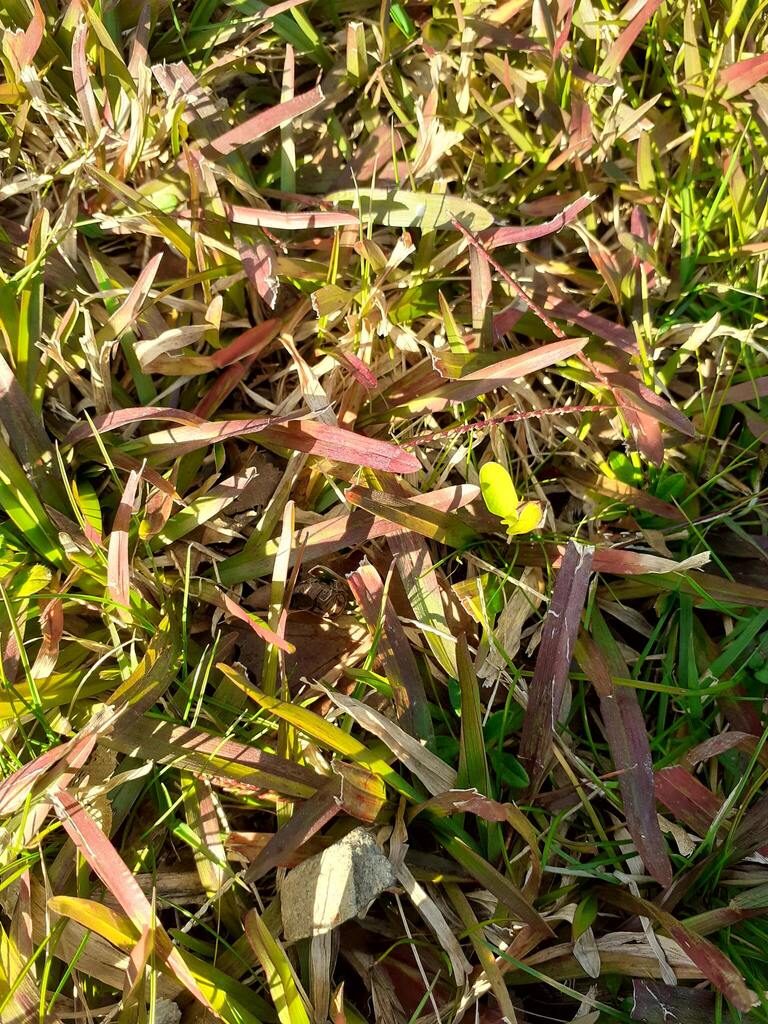
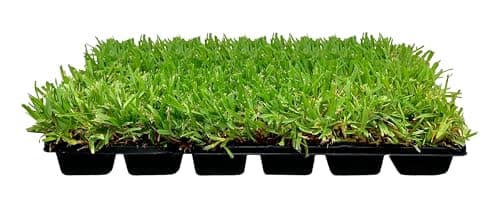
Every common Louisiana grass is warm-season, so they all brown out in winter and green up in spring. The fastest sort is blade width and color: St. Augustine's broad, coarse blades against centipede's light crabapple-green, Bermuda's fine wiry texture, and zoysia's stiff, springy carpet.
| Grass | Blade | Growth habit | Standout tell |
|---|---|---|---|
| St. Augustinegrass | Broad, coarse, folded | Thick above-ground runners | Wide flat stems; coarsest blade of the group |
| Centipedegrass | Medium, crabapple-green | Creeps slowly by stolons | Light "apple green" color; short seed stalks |
| Bermudagrass | Fine, wiry | Runners above and below ground | Bird's-foot seed head, even in mowed lawns |
| Zoysiagrass | Fine to medium, stiff | Slow, very dense | Springy carpet feel; crunches when dry |
Still not certain? Our free AI grass identifier reads a close-up photo, names the grass, and builds a 12-month care plan tuned to your ZIP.
Which types grow in your part of Louisiana
Unlike a transition-zone state, Louisiana does not split into warm and cool grass zones. LSU treats the warm-season grasses as statewide choices; the real question is your site, not your latitude. Match the grass to your sun, soil, and drainage:
- Shady, tree-heavy yards (much of south Louisiana): St. Augustinegrass, the most shade-tolerant of the common grasses. Centipede and zoysia take light shade; Bermuda will not.
- Sunny, high-traffic yards: Bermudagrass for wear and full sun, or zoysia for a denser, lower-input carpet.
- Low-input, acid-soil yards: Centipedegrass, which thrives on Louisiana's naturally acidic soils with little fertilizer.
- Wet, poorly drained ground: Carpetgrass, which persists where standing water rots other grasses out.
- Coastal, salt-sprayed sites (south of I-10): Seashore paspalum for salt tolerance, with St. Augustine a fair second.
Louisiana grass timing that matters
The key Louisiana timing rule is that warm-season grasses go in once the soil is warm, spring through summer, never in fall. Soil temperature drives the rest:
- Sodding, the most common method: LSU says better establishment is expected between April and September for sod, and April through August for plugs.
- Seeding: LSU notes warm-season grasses can be seeded between March and July, with mid-April to early June the sweet spot for warm soil and helpful spring rains.
- Spring pre-emergent: put crabgrass pre-emergent down in late winter to early spring, before the soil warms through about 55F and crabgrass germinates.
- Dormancy: all the common grasses turn light tan through winter and green back up in spring. There is no permanent cool-season lawn here.
Our herbicide timing tool pins the exact pre-emergent date for your ZIP.
Next steps
Once you know your grass type, the care gets specific. Dig into the full guides for St. Augustinegrass, Centipedegrass, Bermudagrass, or Zoysiagrass, or line any two up in our grass comparison tool. For the wider picture, see how every state compares.
And if you are not sure what is growing out there, start with a quick photo on our free grass identifier.
Top Picks
 St. Augustine Palmetto Grass Plugs (18 Extra-Large Live Plugs)Check price on Amazon
 Scotts Turf Builder Southern Lawn FoodCheck price on Amazon
As an Amazon Associate we earn from qualifying purchases.
Free Lawn Care Tools
St. Augustinegrass and centipedegrass. LSU says Louisiana home lawns are primarily those two, with St. Augustine favored for shade and centipede for low-input, acid-soil yards. Bermuda and zoysia fill sunny and high-traffic lawns.
Four warm-season grasses do almost all the work: St. Augustinegrass, centipedegrass, Bermudagrass, and zoysiagrass. Carpetgrass covers wet sites, bahiagrass suits large rural lawns, and seashore paspalum handles salty coastal ground.
Not as a permanent lawn. LSU states plainly that cool-season grasses such as tall fescue, bluegrass, and ryegrass are not adapted to Louisiana. The state's long, hot, humid summers are the reason Louisiana lawns are all warm-season.
St. Augustinegrass, which LSU calls the most shade-tolerant of the common turfgrasses, though it still needs a few hours of sun. Centipede and zoysia handle light shade; Bermudagrass does not tolerate shade at all.
Spring through summer, once the soil is warm. LSU gives an April-to-September window for sod and a March-to-July window for seed, with mid-April to early June the ideal stretch for fast germination.
Sources (3)
- LSU AgCenter, Terrific Turfgrass for Louisiana and Best Management Practices for Lawns.
- LSU AgCenter, Establishing a Lawn Part 1 (choosing a grass) and Part 2 (planting).
- LSU AgCenter, Carpetgrass for Lawns.
Photos: Tyler Bishop / iNaturalist · CC BY 4.0, Becky Dill / iNaturalist · CC0, Jody Shugart / iNaturalist · CC BY 4.0, Kevin Faccenda / iNaturalist · CC BY 4.0

Beat weeds and brown spots from your phone
Snap a photo, get the fix, and follow a plan timed to your soil and weather. Free on iPhone.