Bio-Nite vs Milorganite: What's Actually in the Bag
 Marcus GreenTurf Management Pro | 18 Years
As an Amazon Associate we earn from qualifying purchases.
If you have spent any time in lawn forums or YouTube comment sections, you have run into the question: is Bio-Nite the same thing as Milorganite, or is it something better? Yard Mastery built a lot of its identity around Bio-Nite, and Milorganite has been the default organic nitrogen source for the better part of a century. So it is a fair thing to wonder about, especially when one is sold only inside a premium bag and the other sits on the shelf at every big-box store.
Here is the short version before we get into the weeds: both are heat-dried biosolids, and both feed your lawn slowly through soil biology. They are both legitimate products, and the differences between them come down to what is printed on the bag. Understanding what is actually in each one helps you match the right bag to your lawn and your budget. Let's break down what each one really is.
Bio-Nite and Milorganite are the same category of product: heat-dried Class A biosolids that feed a lawn slowly through soil biology. Neither lists a proprietary microbe or enzyme the other lacks, so the real differences are the numbers printed on the bag.
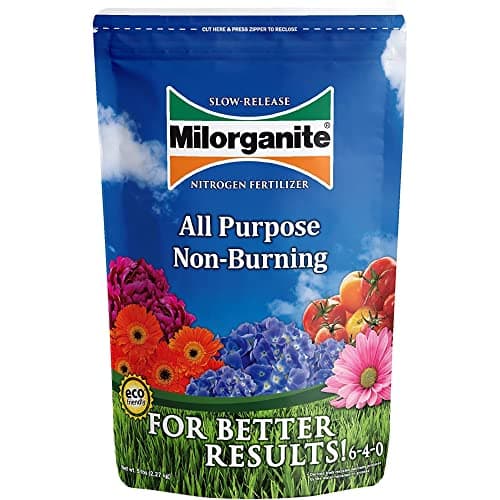
Milorganite is a finished 6-4-0 with about 2.5% iron, made in Milwaukee since 1926, and it is nearly impossible to burn. Bio-Nite is only sold inside a Yard Mastery bag such as the Flagship 24-0-6, so compare the analysis, the iron, and the cost per pound of nitrogen.
Biosolids 101: what you are actually buying
A biosolid is the nutrient-rich organic material left over after a wastewater treatment plant cleans municipal sewage. The plant separates out the solids, treats them to kill pathogens, and dries them down. When that material meets the EPA's Class A standard, it is clean enough to be packaged and sold as fertilizer. Milorganite has been doing exactly this in Milwaukee since 1926, which is where the name comes from: Milwaukee Organic Nitrogen.
The reason biosolids work so well as lawn food is the nitrogen is bound up in organic compounds and microbial bodies. It does not dissolve and wash away the way the nitrogen in a synthetic quick-release fertilizer does. Instead, soil microbes have to break it down over weeks to release the nitrogen, which is why biosolids feed slowly and are nearly impossible to burn your lawn with. If you want the full picture on how this differs from a bag of urea or a coated synthetic, we cover that in organic vs synthetic fertilizers. For this article, the key point is that a biosolid is a slow-release organic nitrogen source that also feeds the living part of your soil.
What Bio-Nite actually is
Bio-Nite is Yard Mastery's branded name for the biosolid carrier inside their granular fertilizers. It is the same category of product as Milorganite: a heat-dried, Class A biosolid that acts as both a slow-release nitrogen source and a granule for carrying the rest of the nutrients in the blend. Yard Mastery does not sell Bio-Nite by itself. You cannot buy a bag of pure Bio-Nite on Amazon or anywhere else, because it is the base material their fertilizers are built on, not a standalone product.
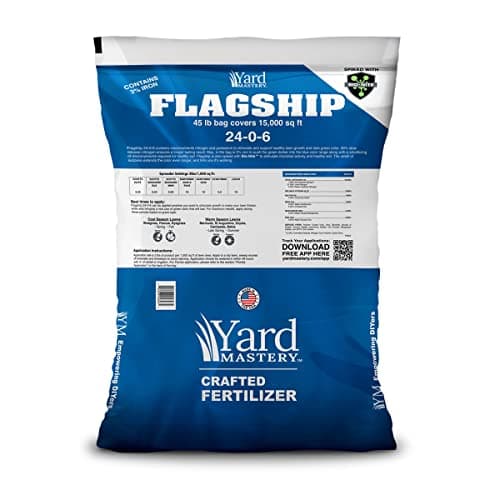
That matters for how you think about value. When people ask "should I buy Bio-Nite," the honest answer is that the only way to buy it is inside a full Yard Mastery bag, like the Yard Mastery Flagship 24-0-6 (with Bio-Nite). In that bag, Bio-Nite is the carrier and the slow-release organic component, while the high nitrogen number, the iron, and the potassium come from added inputs. So you are not really choosing Bio-Nite versus Milorganite as two products on a shelf. You are choosing a finished fertilizer that happens to use Bio-Nite as its base.
What Milorganite actually is
Milorganite is the original. It is a 6-4-0 heat-dried biosolid produced by the Milwaukee Metropolitan Sewerage District, and it is sold as a finished product on its own, with no extra synthetic nitrogen blended in. The Milorganite 6-4-0 (5 lb) you find on Amazon is the same material that has been feeding lawns for decades, just in a smaller bag than the big-box 32-pounders.
The 6-4-0 analysis tells you a lot. The 6 is a modest nitrogen number, the 4 is phosphorus, and the 0 means no added potassium. Milorganite also carries about 2.5% iron, which is part of why it greens a lawn without pushing crazy top growth. It is a gentle, forgiving feed. You are not buying Milorganite for a big nitrogen punch. You are buying it for slow, steady feeding and the soil-building benefit of the organic matter. If you want timing, rates, and spreader settings, we keep all of that in the Milorganite application guide rather than repeating it here.
What a biological carrier does for your soil
The phrase "biological carrier" sounds like marketing, but there is real soil science under it. When you put down a biosolid, you are not just adding nitrogen. You are adding organic matter and feeding the microbes that already live in your soil. Those microbes are what break the organic nitrogen down into the form grass roots can actually take up, and as they work, they improve soil structure and the soil's ability to hold water and nutrients.
This is also why biosolids pair well with the rest of a healthy-soil routine. The same microbial activity that releases nitrogen is more effective when the soil is not compacted, which is one of the reasons we push aerating your lawn the right way alongside organic feeding. And because nutrient availability depends heavily on soil pH, a biosolid feeding program works best when your pH is in range. If your lawn is feeding poorly despite regular fertilizer, the issue is often pH, which we walk through in how to improve soil pH for grass. A cheap soil test tells you whether you even have a nutrient problem or just a pH one.
Bio-Nite vs Milorganite, head to head
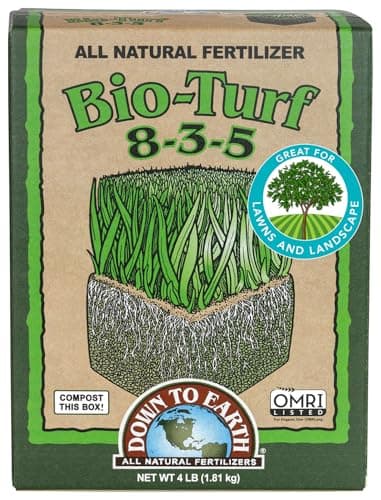
Since Bio-Nite is not separately buyable, the practical comparison most people actually face is between Milorganite on its own and a second granular organic feed you can put in a spreader. A common stand-in is Down to Earth's Bio-Turf. One honesty note up front: Bio-Turf is a poultry-litter and plant-based organic blend, not a sewage-derived biosolid like Milorganite or Bio-Nite. It lands in a similar slow-release-organic place for your lawn, but it is not the same raw material, so this is an apples-to-oranges-but-both-fruit comparison, not a like-for-like biosolid swap. Here is how the two buyable options stack up.
| Product | Type | Analysis | Iron | Price | Best for |
|---|---|---|---|---|---|
| Milorganite 6-4-0 (5 lb) | Heat-dried sewage biosolid | 6-4-0 | ~2.5% | $16.55 | Forgiving, almost burn-proof slow feed with phosphorus and iron |
| Down to Earth Bio-Turf 8-3-5 (4 lb) | Poultry-litter and plant-based organic blend (not a biosolid) | 8-3-5 | None listed | $22.49 | Higher nitrogen and added potassium from a non-sewage organic source |
The takeaway is that these are doing similar jobs with different raw materials and slightly different numbers. Milorganite gives you phosphorus and iron and the lowest cost per bag. Bio-Turf gives you a higher nitrogen number and some potassium without the sewage-biosolid origin, which matters to some gardeners. Neither one is a magic ingredient, and neither is Bio-Nite. For a wider field of options across both organic and synthetic, our best lawn fertilizer roundup is the broader picture.
Where the real difference lives
Bio-Nite and Milorganite are both heat-dried biosolids, and at the label level they work the same way in your soil. Neither product lists a proprietary enzyme or microbe that the other lacks, so the differences that actually matter are the ones printed on the bag: the N-P-K numbers, the iron content, the cost per pound of nitrogen, and how evenly the granule spreads.
Take Yard Mastery's Flagship blend as an example. It pairs that biosolid base with a lot more added nitrogen, 3% iron, and potassium, landing at a 24-0-6 analysis. That is a genuinely different feed than straight Milorganite's 6-4-0, but the difference comes from the formulation, not from the carrier underneath it. Both products start from the same category of material, a heat-dried biosolid, so when you compare them, compare the things you can measure: the analysis, the iron, the cost per pound of nitrogen, and how the granule spreads.
The bottom line: pick by your goal
If you want the simplest, most forgiving organic feed at the lowest price, go with Milorganite. It is nearly impossible to burn, it adds phosphorus and iron, and it builds soil over time. If you specifically want a higher nitrogen number and some potassium from a non-sewage organic source, Bio-Turf is the buyable alternative, just know it is a poultry-litter blend rather than a true biosolid. And if you have decided you specifically want Bio-Nite, remember the only way to get it is inside a full Yard Mastery bag like the Flagship 24-0-6, which is a high-nitrogen synthetic-plus-biosolid blend, not a pure organic the way Milorganite is. Whichever you choose, the granule still has to go down evenly, so get the timing and rates from the application guide and test your soil first. Not sure what your lawn actually needs? Our lawn diagnosis tool and the fertilizing guide will point you to the right feed for your grass.
Free Lawn Care Tools
Not exactly, though they're the same category of product: both are heat-dried Class A biosolids that feed a lawn slowly through soil biology. Bio-Nite is Yard Mastery's own branded carrier used inside their fertilizer blends, while Milorganite is a finished product on its own, made by the Milwaukee Metropolitan Sewerage District since 1926. Neither one has a secret ingredient the other lacks, the real differences are the numbers printed on the bag.
No, Yard Mastery doesn't sell Bio-Nite as a standalone product. The only way to get it is inside a full Yard Mastery bag, like the Flagship 24-0-6, where Bio-Nite acts as the carrier and slow-release nitrogen source alongside added iron and potassium. So you're not really choosing Bio-Nite versus Milorganite as two products on a shelf, you're choosing a finished fertilizer.
It comes down to your goal. Straight Milorganite is a gentle 6-4-0 organic feed with about 2.5 percent iron, good for slow, steady, nearly burn-proof feeding. A Bio-Nite-based blend like Flagship is a much higher-nitrogen 24-0-6 feed, so it's the pick if you want faster growth rather than a pure organic approach.
Milorganite is a true heat-dried sewage biosolid at 6-4-0 with about 2.5 percent iron, and it costs $16.55 for a 5 pound bag. Bio-Turf is 8-3-5 and made from poultry litter and plant material rather than biosolids, lists no iron, and costs $22.49 for 4 pounds. Bio-Turf gives you more nitrogen and some potassium from a non-sewage source, but it's not a like-for-like swap for Milorganite.
Yes, straight Milorganite is only 6 percent nitrogen, so it's not built for a big feeding push. If you want more nitrogen from a similar slow-release organic base, look at a Bio-Nite blend like Flagship 24-0-6, or Down to Earth Bio-Turf at 8-3-5 if you'd rather avoid a sewage-derived product.

Your lawn plan, in your pocket all season
Grass ID, a season plan, soil-timed reminders, and a lawn journal that remembers what you did. Free on iPhone.