

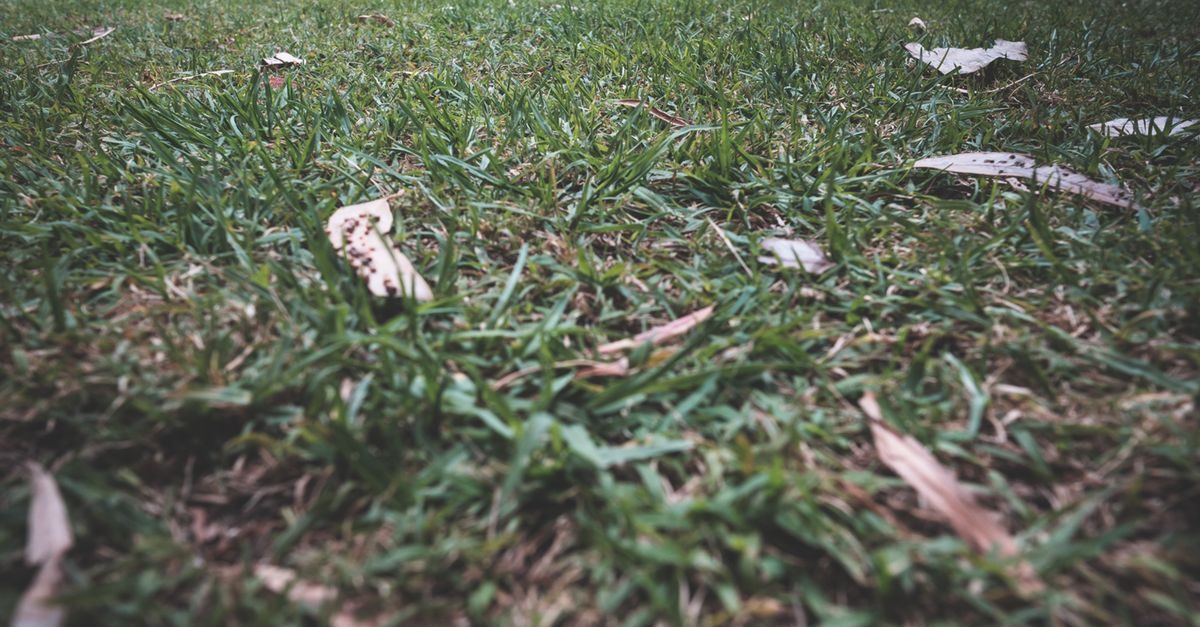
Fall Lawn Aeration: When and How to Aerate by Region
 James ThorntonLawn Equipment & Maintenance Expert | 20 Years
As an Amazon Associate we earn from qualifying purchases.
Core-aerate a cool-season lawn in early fall, while the grass is still growing and the soil is damp but not sticky, then overseed the same day. Purdue Extension's targets are cores 2 to 3 inches deep and 20 to 40 holes per square foot, which usually takes two passes with a rental machine.
Go by soil temperature. Skip the calendar. Minnesota Extension puts cool-season root growth at its best with soil between 50 and 65°F, and Clemson wants at least four weeks of good growing weather after the pass. Check yours on the soil temperature tool. Bermuda, zoysia, St. Augustine, or centipede? Skip fall. Aerate those in late spring once they're fully green.
Fall is the aeration window for cool-season grass. Most people miss it or run the machine too shallow. Both are setup problems.
The lawn spends July and August compacted and heat-stressed. Then nights cool off and the roots take over. Punch holes then, and the roots go straight down the channels.
This is the fall half. The complete spring lawn aeration guide covers the spring window, where the fight is cold soil, snowmelt, and crabgrass pre-emergent. Fall has its own problem. The window closes before frost, and the seeding has to happen the same day.
Why is fall better than spring for aerating a cool-season lawn?
Roots. That's the short answer.
Cool-season grasses grow hard in spring and fall and stall in summer heat and drought, per the University of Minnesota Extension lawn care calendar. The same page puts cool-season root growth at its best with soil between 50 and 65°F. Early fall soil sits right in that band.
The Purdue turf team says fall aeration relieves compaction and encourages stronger root development through the winter. Every hole is a channel the roots can use.
Spring comes with crabgrass. Purdue's spring aerification advice is to aerify before the spring pre-emergent goes down. Their reason is the barrier. Anything that breaks it may cause poor control or break-through. Clemson Extension makes the fall call for cool-season lawns: less heat stress, less risk of weedy annuals moving in.
Last reason is cheap. You're overseeding in fall anyway. One rental. Both jobs.
When should you aerate in fall? Soil temperature and moisture cues
Skip the calendar. Check three things.
- Growth. You're still mowing every week. Clemson wants at least four weeks of good growing weather after the pass so the grass can recover.
- Moisture. Damp, not wet. Purdue says aerify when the soil is not too wet or too dry. Dry soil stops the tines short. Wet soil smears the holes. Clemson's check: if soil sticks to your shoes or the probe, wait.
- Soil temperature. If you're seeding in the same pass, this one decides. Minnesota's best root-growth band, 50 to 65°F, is the target. Read it at 2 inches deep. Air temperature misleads in fall, because soil lags it.
Then the screwdriver. Push one into moist soil. Clemson says if it goes in with little resistance, you probably don't need to aerify. Hard to push? That's compaction. Soil bone dry? Soak it the day before and core the next morning.
Oregon State Extension adds the machine side. Most rental aerators aren't very heavy, so they won't penetrate hard soil. And soil that's too wet won't give up a core. Damp. That's the setting.
Aerating without seed? You have longer. Minnesota lists aerating through mid-October but seeding only through late September. The seed sets the deadline.
Fall aeration timing by region
Dates are the outer edges. Soil temperature is the trigger.
| Region | Typical grasses | Fall verdict | Extension window |
|---|---|---|---|
| Upper Midwest (MN, WI, Dakotas, northern IA) | Kentucky bluegrass, fine fescue, perennial ryegrass | Aerate | Aerate mid-August to mid-October. Seed early August to late September. (Minnesota Extension) |
| Great Lakes and Northeast (IN, OH, MI, PA, NY, New England) | Kentucky bluegrass, tall fescue, ryegrass | Aerate | Aerify cool-season turf in September. Seed over the month of September as soil cools. (Purdue, Indiana timing) |
| Transition zone tall fescue (NC, VA, TN, KY, MO, KS) | Tall fescue, bluegrass blends | Aerate | Overseed September 1 to October 1 in the NC piedmont and coastal plain, August 15 to September 1 in the mountains. (NC State) |
| Warm-season lawns (Southeast, South Central, Gulf Coast) | Bermuda, zoysia, St. Augustine, centipede | Skip | Late spring and summer, once the lawn is fully green and growing. (Clemson) |
| Pacific Northwest (western OR, western WA) | Perennial ryegrass, fine fescue | Aerate | Spring or fall. Soil hardness is the limit, so aerate damp soil. (Oregon State) |
Dates stay put. Soil doesn't. Late September is when northern soil drops fastest. Between September 15 and 23, 2026, the site's soil temperature tracker showed the Northeast lose about 6.5°F at 2 inches and the Midwest about 6°F.
Run the numbers on your own reading:
- Read today's 2-inch soil temperature on the soil temperature tool. Say it's 62°F.
- Check how much it fell over the past week. Say 6°F.
- 62 minus 50 is 12. Twelve divided by 6 is two weeks.
That's how long you have to core and seed in one pass before soil leaves Minnesota's 50 to 65°F band. Aerating alone can run later. For seed amounts and your ZIP's seeding window, use the overseeding calculator.
ZIP straddles two rows? Take the earlier window. Late holes that don't close before frost are open soil for winter weeds. The regional aeration timing guide breaks it down further by grass type.
Core or spike: which one actually fixes compaction?
Core. Rent or buy the kind that pulls plugs.
Core aerators pull plugs of soil and drop them on the surface. Spikes push soil sideways. Purdue Extension's AY-8 is flat about it: slicing or spiking removes no soil and doesn't count as aerification. Clemson ranks core aerification the most effective of the three.
Spike aerators? Skip them unless the soil is loose and sandy and you only want a quick surface pass. Aerator shoes are spikes you wear. Same verdict.
Small job, like a hard strip along the sidewalk or the path the dog runs? A manual core aerator does it. Two hollow tines, a foot bar, and your leg. The Manual Lawn Core Aerator for Compacted Soil with Non-Clogging Hollow Tines is one. Buy it for spots. Rent a machine for the whole yard.
The full side-by-side is in core or spike aeration. Running the machine is in how to aerate your lawn the right way.
Should you aerate before or after overseeding?
Aerate first. Seed the same day.
University of Maryland Extension says coring before overseeding makes holes for the seed to fall into, which increases seed-to-soil contact. Purdue's Cale Bigelow points to fall aeration for the same reason.
The sequence:
- Mow a notch lower than usual and bag the clippings, so seed reaches soil.
- Soil dry? Water deeply the day before so the tines reach 2 to 3 inches.
- Core the lawn in two passes at different angles.
- Spread seed right away, while the holes are open.
- Leave the plugs. Break them up with a drag mat or a mower pass. NC State says break them up to put the soil back into the lawn.
- Feed. Purdue suggests early September and again about six weeks later, and calls September, October, and early November one of the best feeding windows for cool-season lawns.
- Keep the top inch of soil damp until the seed is up.
Don't wait a week between the two jobs. The holes start closing. Seed rates and species are in the fall overseeding guide.
Put down a pre-emergent this month? Then the plan changes. Two problems. First, seed. Most pre-emergents stop grass seed the same way they stop weeds, and the label lists how long to wait before seeding. Second, the barrier. Coring pokes holes in it. Purdue's turf team says research shows aerifying afterward rarely cuts control, since the plugs mostly redistribute the herbicide. Their advice anyway: don't tempt fate, and limit aerifying after an application. I'd skip the fall core pass on a treated lawn and aerate in spring, before the next application goes down.
Recommended products

Jonathan Green Black Beauty Ultra Grass Seed (7 lb)
A tall fescue blend with bluegrass and ryegrass for cool-season overseeding.
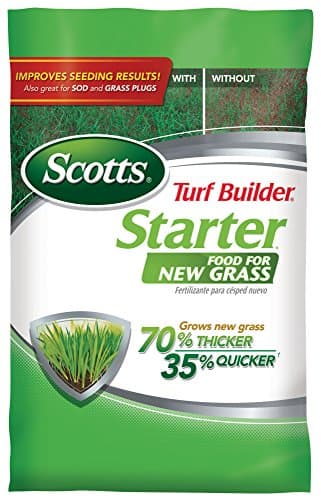
Scotts Turf Builder Starter Fertilizer for New Grass (15 lb)
Starter fertilizer for new seed.
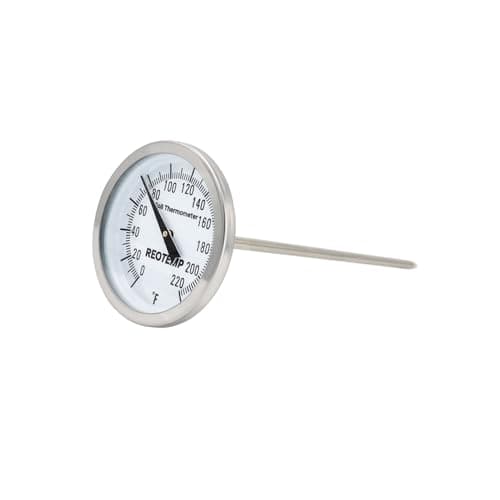
Warm-season lawns: why you should skip fall aeration
Skip it. Bermuda, zoysia, St. Augustine, and centipede run the opposite calendar.
Clemson says warm-season grasses are best aerified in late spring and summer, while they're actively growing. Purdue's AY-8 puts zoysia in early to mid-summer. In fall these grasses are slowing toward dormancy. Holes punched now sit open into winter.
Open soil in fall is a seedbed for winter annuals like poa annua and henbit. Fall is also when warm-season lawns get their poa annua pre-emergent. Coring after it pokes holes in that barrier. One more reason to leave the machine at the rental counter until late spring.
Tall fescue in front and bermuda in back? Two lawns. Core the fescue in fall. Leave the bermuda until it's fully green next year.
How many passes and how deep should you go?
2 to 3 inches deep. 20 to 40 holes per square foot. That's Purdue's number, in AY-8 and again in their fall aerification note. AY-8 also says most rental machines don't punch enough holes in one pass. Plan on two.
| Setting | Target | Source |
|---|---|---|
| Core depth | 2 to 3 inches | Purdue AY-8 |
| Hole density | 20 to 40 per square foot | Purdue AY-8 |
| Tine spacing | 2 by 2 inches gives 36 holes per square foot. 3 by 3 gives 16. | Purdue AY-8, Table 2 |
| Passes | 2, at different angles, when one pass falls short of 20 holes | Purdue AY-8 |
| Thatch | 0.5 inch or less is the goal. Over 1 inch, the sod may need removing and reseeding. | Purdue Plant and Pest Diagnostic Lab |
You'll see a "20 percent of the surface" rule quoted. Purdue gives it for athletic turf and says lawn equipment rarely gets there. More holes is better. One per square foot isn't enough.
First pass in straight lines, like mowing. Second pass at about 45 degrees to the first. Lift the tines on turns so you don't tear turf. Plugs coming out an inch long or crumbling in your hand? Stop. The soil's too dry or the machine's too light. More passes won't fix either one.
What to do after you aerate
Leave the plugs. They look bad for about a week. Then rain and mowing break them down. Purdue says leaving them on the surface is the easiest way to handle them.
Seeded? Water light and often until it's up, then step down. The stage-by-stage schedule is in how often to water new grass seed.
Feed it. Bigelow calls skipping the fall feeding the biggest mistake homeowners make. Keep mowing at about three inches, his height for Indiana lawns, as often as the grass needs.
Leaves come next. Don't let them sit in a thick mat on new seed. How to handle them is in mulching leaves into your lawn.
Stay off the soft soil for a few days. Hold broadleaf herbicide on new seedlings until the label says they're old enough. Full-season plan: the fall lawn care schedule and checklist. Lawn more bare than thin? That's a bigger job, covered in fall lawn renovation for cool-season grass.
Should you rent a machine or hire it out?
Rent it if you have a truck and a free morning. Hire it out if you don't.
Walk-behind core aerators are heavy. They need a truck bed with a ramp or a trailer, and they book out in September. Call the rental counter a week early.
Hiring doesn't guarantee the holes either. Purdue's AY-8 says lawn services often don't punch enough holes per square foot in one pass. Ask how many passes they run. Two is the answer you want.
Tow-behind aerators for a garden tractor? Skip them unless the lawn is too big to walk. AY-8 says the roll-behind kind doesn't penetrate deep enough or punch enough holes per square foot. Run one anyway and you're making extra passes.
For a price, the lawn cost estimator includes a core aeration pass for your region. Want real numbers from local crews? Get aeration and overseeding quotes. Fall is their busy season. Book early.
Short window. Short checklist. Grass still growing. Damp soil. 2 to 3 inches deep, two passes. Seed the same day. Leave the plugs. Feed it. Bermuda or zoysia? Wait for late spring.
Check the soil temperature tool before you book the rental, or run your ZIP through the aeration timing tool. Same job every fall. Same week. That's the whole trick to it.
Top Picks
- Simple Lawn Solutions Liquid Soil LoosenerCheck price on Amazon
- Premium Lawn Top Dressing Coco Coir MixCheck price on Amazon
- Simple Lawn Solutions Ultimate 3-18-18 Liquid FertilizerCheck price on Amazon
As an Amazon Associate we earn from qualifying purchases.
Free Lawn Care Tools
Aerate a cool-season lawn in early fall, while it is still growing and the soil is damp but not sticky. Minnesota Extension lists mid-August to mid-October for aerating and early August to late September for seeding, and NC State puts tall fescue overseeding at September 1 to October 1 in the piedmont. If you are seeding in the same pass, time it by soil temperature: Minnesota puts cool-season root growth at its best between 50 and 65°F. Check your 2-inch reading on the soil temperature tool.
Fall is better for most cool-season lawns. Clemson Extension says cool-season grasses are best aerified in fall, when there is less heat stress and less risk of weedy annuals moving in. Spring aeration also has to be timed around crabgrass pre-emergent, and Purdue advises aerifying before that application goes down.
Aerate first, then seed the same day. University of Maryland Extension says coring before overseeding makes holes for seed to fall into, which increases seed-to-soil contact. Don't wait a week between the two jobs, because the holes start closing.
Pull cores 2 to 3 inches deep at 20 to 40 holes per square foot, which are Purdue Extension's targets. Purdue's AY-8 table shows 2-by-2-inch tine spacing gives 36 holes per square foot and 3-by-3 gives 16, so most rental machines need two passes at different angles. If plugs come out an inch long or crumble, the soil is too dry or the machine is too light.
No, skip fall aeration on warm-season lawns. Clemson says bermuda, zoysia, St. Augustine, and centipede are best aerified in late spring and summer while actively growing, and Purdue puts zoysia in early to mid-summer. Holes punched in fall sit open into winter as a seedbed for winter annual weeds.
You can, but it is better to skip it. Purdue's turf team says research shows aerifying after a pre-emergent rarely reduces control, since the plugs mostly redistribute the herbicide, but they still advise limiting aerification after an application. A fall pre-emergent also blocks new grass seed for the interval on the label, so on a treated lawn, aerate in spring before the next application instead.
No, leave the plugs on the lawn. Purdue says leaving them on the surface to break down under rain and mowing is the easiest approach, and NC State says to break them up to put the soil back into the lawn. A drag mat or a mower pass does it.
Renting is usually cheaper if you have a truck or trailer and a free morning, and hiring out makes sense if you don't. Either way, ask for two passes, because Purdue's AY-8 says rental machines and lawn services often don't punch enough holes per square foot in one. The lawn cost estimator prices a core aeration pass for your region.

Beat weeds and brown spots from your phone
Snap a photo, get the fix, and follow a plan timed to your soil and weather. Free on iPhone.
Related Articles
 Seasonal Care
Fall Lawn Renovation: The Cool-Season Reset, Step by Step
Sep 12, 2026•12 min read Seasonal Care
Dormant Seeding: How to Seed Your Lawn in Late Fall for Spring Germination
Jul 17, 2026•11 min read Seasonal Care
Fall Lawn Care Schedule and Checklist: Month-by-Month Maintenance
Jul 17, 2026•12 min read

