Should You Mulch Leaves Into Your Lawn or Rake Them?
 James ThorntonLawn Equipment & Maintenance Expert | 20 Years
As an Amazon Associate we earn from qualifying purchases.
Rake or mow? Mow. The research on this one is old and consistent. Chopped leaves feed the soil. They don't build thatch. In Michigan State trials they cut dandelions, too. One catch. It works up to a point. Past that point you're smothering the grass.
The fall companion to what a mulching mower does for your lawn year round. That one covers grass clippings and the machine. Leaves only here. How many is too many. The mower setup. Problem trees. When to bag. What shows up in spring.
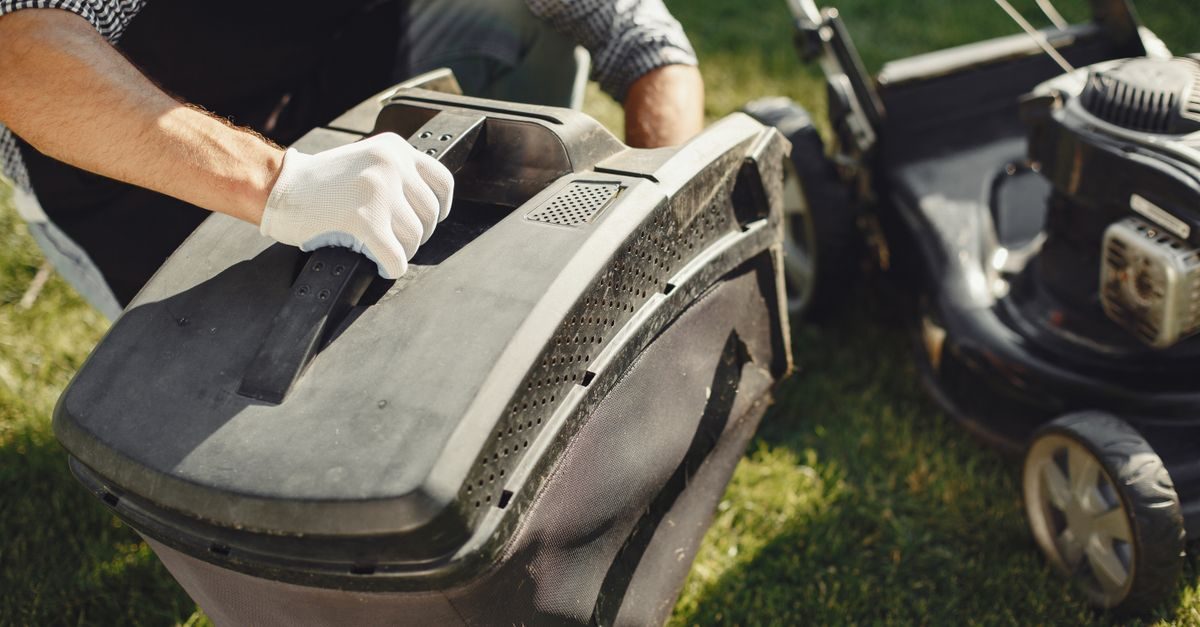
Mulch leaves into the lawn as long as you can still see about half the grass through them, which is University of Minnesota Extension's cutoff. Set the mower on its highest setting and make two passes, the second at 90 degrees to the first. Stop when the pieces are about dime size and drop between the blades.
Michigan State mulched up to 6 inches of leaves at a time with no harm to the turf. Bag the surplus once less than half the lawn shows, or when the leaves are soaked and matted. Keep your fall fertilizer on schedule. Leaves don't replace it.
- University of Minnesota Extension: mulch until you can see only about half the lawn. Below 50 percent visible, bag the rest.
- Purdue mulched up to 4,000 pounds of maple leaves per acre in one application. No undesirable effect on turf quality, color, thatch, or soil pH.
- Michigan State: one fall of mulched maple or oak leaves at the high rate cut dandelions by up to 80 percent. After a second fall the cut was 53 percent.
- Highest deck setting, two passes, the second at 90 degrees to the first. Dime-size pieces or smaller.
- Mulched leaves return less nitrogen than grass clippings and don't replace a fall fertilizer application.
Chopped leaves feed the soil
Chopped leaves are slow food. Soil microbes break them down over the winter. The nutrients come back as the lawn wakes up.
Whole leaves sit on top and block light. Chopped leaves drop past the blades and land on the soil. That's where the microbes are.
The numbers are modest. University of Illinois Extension puts a 2-inch layer of leaf mulch at about 150 pounds of nitrogen, 20 of phosphorus, and 65 of potassium per acre. That's about 3.4 pounds of nitrogen per 1,000 square feet. It's what's in the leaves, and it comes out slowly. Fewer trees, fewer leaves, less of all three.
Thatch: it doesn't build any
The number one worry at the curb. Thatch. Doesn't happen.
Purdue mulched up to 4,000 pounds of maple leaves per acre in a single application. Virginia Cooperative Extension sums up the result: no undesirable effects on turf quality or color, growth, thatch, soil pH, weed populations, or disease pressure.
Thatch comes from tough stems, crowns, and roots that resist decay. Leaf pieces are soft. Chopped and touching soil, they break down fast. Chopping is the whole trick.
Fewer dandelions, as a bonus
Michigan State found this one by accident. In its oak and maple mulching plots of the 1990s, the maple plots had fewer broadleaf weeds.
So the team ran a follow-up at the Hancock Turfgrass Research Center. Red, silver, and sugar maple, plus red oak, mulched into Kentucky bluegrass. Two rates. The high rate was 1.5 kilograms of dry leaves per square meter. That's about 0.3 pound per square foot.
One fall of mulch at the high rate cut dandelions by up to 80 percent. After a second fall, the cut was 53 percent. Red oak gave the most consistent control. Sugar maple came next. That's from the 2009 HortTechnology paper on the trial.
The mechanism isn't pinned down. The researchers' leading ideas: the mulch blocks the light dandelion seed needs. It also feeds the grass, so the grass competes better. Virginia Cooperative Extension, summing up the Michigan State work, reports fewer dandelions and crabgrass over time as leaf bits filled the gaps in the turf.
Don't count on it as weed control. The study authors say leaf mulch alone won't deliver high-end weed control. Free help, though.
- Purdue Turfgrass Science guidance: keep mowing through fall. Regular mowing chops leaves small enough to filter into the turf, and heavy leaf layers that shade the grass can smother it and favor snow mold.
Stop at half the lawn
Two checks. How much grass shows. How deep the pile is.
Week to week, use the visibility check. University of Minnesota Extension draws the line at 50 percent. Mulch until you can see only about half the lawn surface. Below that, bag the rest and compost it off the lawn.
On a heavy drop day, use depth. Michigan State mulched up to 6 inches of leaves at a time into established turf with no apparent harm. Virginia Cooperative Extension and Illinois Extension both repeat that number. Your mower may not handle 6 inches. If it bogs down, mow more often.
Then look down when you finish. Can't see green through the chopped pieces? Make another pass. Still can't? Some of it has to go.
Late fall raises the stakes
Over the line in mid October? The grass is still growing, and you'll mow again in a few days. Over the line when growth stops? Different story. UMN says excess leaf residue can promote snow mold damage. Purdue says heavy leaf layers that shade the grass can smother and kill it. Whatever sits on the lawn when it stops growing stays there until spring.
Mower setup: high deck, two passes
No special mower needed. Equipment list: the mower you already own. Any rotary mower chops leaves. A mulching blade just saves passes.
Set it like this.
- Deck: the highest setting. (University of Illinois Extension)
- Passes: two. Mow as usual, then crisscross at 90 degrees to the first pass. (Illinois Extension. UMN calls it a double pass.)
- Piece size: dime size or smaller. (UGA Extension)
- Leaves: dry. (UMN)
Set it. Leave it. The high deck gives the blade room to lift and recut leaves. It also keeps you from scalping grass that's slowing down. The mowing height calculator gives the range for your grass.
Dime size is the target
Dime-size pieces or smaller. That's UGA Extension's number. Small enough to drop between the blades and reach soil.
Walk it after the last pass. Look straight down. Green with leaf confetti? Done. A layer riding on top of the grass? Keep going.
Some bits stay visible. Normal. Illinois Extension says the residue keeps breaking down through winter and early spring.
Dry leaves chop, wet leaves clump
UMN says mulch when leaves are dry. Soaked leaves strain the engine, clump up, and pack the underside of the deck. Leaves that sat wet for days and matted down? Rake or bag that layer. Mulch the next drop once it's dry.
Leaf types: which ones chop easy
Most leaves chop fine. Some need more passes. Needles are the exception.
| Leaf type | Mulch it? | What to watch |
|---|---|---|
| Maple (sugar, red, silver) | Yes, easy | Thin leaves that chop fast. Sugar maple ranked second for dandelion control in the Michigan State trial. Silver maple drops heavy, so stay ahead of it. |
| Ash, birch, honeylocust, elm | Yes | Small, thin leaves. One pass usually does it. |
| Oak | Yes, with extra passes | Tough and slow to break down. No soil pH change in Michigan State's 1991 to 1998 oak and maple plots. Red oak gave the most consistent dandelion control in the later trial. |
| Sycamore, magnolia, cottonwood | Slowly | Big, leathery leaves. Two passes minimum. Expect fragments into spring. |
| Black walnut | Yes, chopped and spread thin | Ohio State lists most grasses as tolerant of juglone. WSU Extension is more cautious. Don't let walnut leaves pile up, and keep them out of vegetable beds. |
| Pine and other needles | No | Slow to break down. Rake them and use them around shrubs. |
The heavy droppers cause the trouble. A big silver maple can put down more in one windy night than a mower chops in a session. The fix is scheduling. Mow every few days through the peak drop.
Mulch, rake, or bag: the call
All three have a job. Leaf volume, moisture, and the date decide which.
| Situation | Call | Why |
|---|---|---|
| Half or more of the lawn visible through the leaves | Mulch | Inside UMN's 50 percent line. Nutrients and fewer weeds, nothing to haul. |
| Less than half the lawn visible, leaves dry | Mulch one pass, bag the surplus | Chop what the lawn can take. Remove the rest before it mats. |
| Leaves wet and matted down | Rake or bag | Soaked leaves clump and clog the deck. |
| Grass has stopped growing for the year | Rake or bag what's left | UMN says excess leaf residue can promote snow mold. |
| Pine needles or a heavy conifer drop | Rake | Too slow to break down in turf. |
| New seed from fall overseeding | Blow it clear or mulch lightly | Seedlings need light. A leaf layer over new seed costs you the stand. |
Past the line, the bag is the right tool. The leaves still get used. Illinois Extension says shredded leaves turn into leaf mulch in about 6 months, whole ones in 9 to 12. Here's what to do with the pile: composting for a healthier lawn.
Time the last pass to the grass
The last pass goes in after most of the canopy is down and before the grass stops growing. Short window.
Cool-season grass grows best at 60 to 75°F, per Penn State Extension. As fall cools off, top growth slows. Penn State says roots keep growing below 50°F soil, slowing hard as it nears freezing. So make the final pass while the lawn still needs mowing. Mowed, waited a week, and it looks the same? Growth has stopped. Whatever's on it now stays until spring.
No calendar date covers every yard. Elevation, an early cold snap, and the trees on your lot move it. Check your soil with the soil temperature tool. Then see when to stop mowing for the season and when grass goes dormant.
Warm-season lawns run a different clock
Bermuda, zoysia, and St. Augustine can go dormant while the trees are still dropping. Leaves keep landing on grass that's stopped growing.
Mulch while it's green and growing. Once it browns out, switch to removal. Dormant turf has no growing canopy to hide the pieces, so they sit on top. A thick layer holds moisture against the crowns.
Leaves don't replace the fall feeding
Mulch the leaves. Feed the lawn anyway. Two separate jobs.
Virginia Cooperative Extension says the leaves in the Purdue work did not prove to be a substitute for appropriate nitrogen fertilization. UMN says mulched leaves don't return as much nitrogen as grass clippings. For scale, Missouri Extension says clippings left on the lawn supply up to 25 percent of a lawn's total fertilizer needs. Leaves cut the fertilizer bill some. They don't cancel it.
Mulch first, then spread. Granules that land on a mat of whole leaves never reach the soil. The fertilizer calculator sizes the bag to your lawn. Winterizer timing is in the winter lawn fertilizer guide. The rest of the fall jobs are in the fall lawn care schedule and checklist.
- University of Minnesota Extension guidance: mulched leaves return nitrogen, phosphorus, and potassium, but less nitrogen than grass clippings. They reduce the need for supplemental fertilizer.
Recommended products
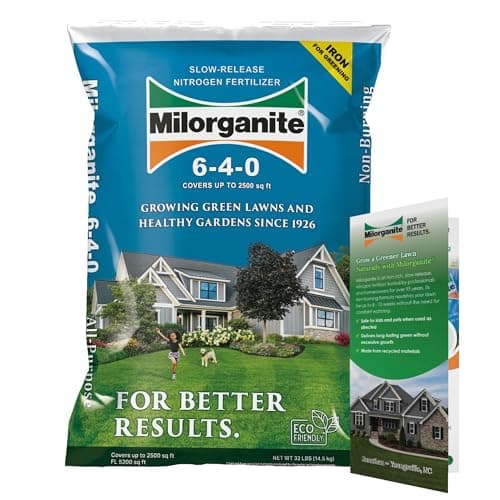
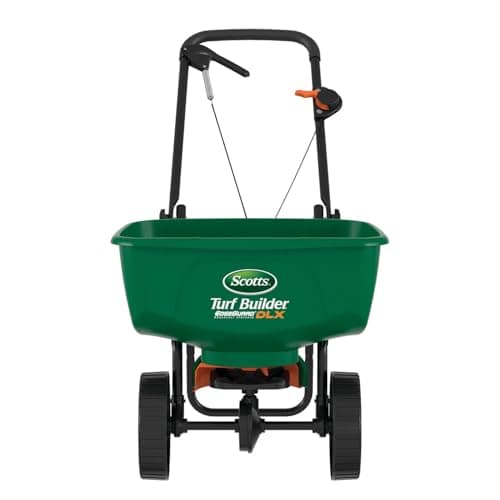
Scotts Turf Builder EdgeGuard DLX Spreader
Broadcast spreader with an edge guard.
What shows up in spring
The payoff lands between snowmelt and the first mow.
Earlier green-up. The high mulch rate gave the best spring green-up in Michigan State's dandelion trial. The researchers credit the broken-down leaves acting as an organic fertilizer. Illinois Extension says the same: faster spring greening.
Fewer dandelions, up to the numbers above. More organic matter, too. Michigan State's soil cores showed more organic matter in the thatch layer of plots that got oak or maple leaves.
Don't expect a spotless lawn in March. Oak and other slow leaves leave bits behind. Michigan State's heavy-rate plots showed leaf litter in early spring, and it cleared once the grass started growing. A patch looks matted and gray after snowmelt? Rake it open to get air moving.
The lawns that go wrong went into winter over the line. Whole leaves in November. Matted gray patches in March. Sometimes snow mold. The fix is stopping at the line and hauling off the rest.
The leaf mulching punch list
- Mulch while you can see half the grass. (UMN)
- Cap a session at about 6 inches of loose leaves. (Michigan State)
- Highest deck setting. Two passes, the second at 90 degrees. (Illinois Extension)
- Dime-size pieces or smaller. (UGA Extension)
- Dry leaves only. Rake wet mats.
- Clear what's left before growth stops.
- Fertilize on schedule anyway. (Virginia Cooperative Extension)
Same job every fall. The rake stays in the garage.
Top Picks
- BioAdvanced Fungus Control for LawnsCheck price on Amazon
- Scotts DiseaseEx Lawn FungicideCheck price on Amazon
As an Amazon Associate we earn from qualifying purchases.
Free Lawn Care Tools
Whole leaves left in a thick layer are bad for the lawn, because they shade the grass and can smother it. Purdue Turfgrass Science says heavy leaf layers can smother and kill grass, and University of Minnesota Extension says excess leaf residue can promote snow mold. Chopped leaves are fine. Mow them into dime-size pieces that drop between the blades.
Stop mulching when you can see less than about half the lawn through the leaves. That's University of Minnesota Extension's cutoff, and below it you bag the surplus. On a single heavy drop, Michigan State mulched up to 6 inches of leaves at a time without harming the turf.
No, mulched leaves don't cause thatch. Purdue mulched up to 4,000 pounds of maple leaves per acre in one application and, per Virginia Cooperative Extension, found no undesirable effect on thatch, soil pH, turf quality, or color. Chop them fine so they reach the soil and break down.
Set the mower to its highest setting and mow as usual, then make a second pass at 90 degrees to the first. That's University of Illinois Extension's method. Aim for dime-size pieces or smaller, per UGA Extension. Any rotary mower does the job, and a mulching blade just saves passes.
No, mulched leaves don't replace a fall fertilizer application. Virginia Cooperative Extension says leaves in the Purdue research did not prove to be a substitute for appropriate nitrogen fertilization, and University of Minnesota Extension says they return less nitrogen than grass clippings. Mulch first, then spread your fall feeding.
No, mulched oak leaves did not change soil pH in Michigan State's trials. MSU mulched oak and maple leaves into Kentucky bluegrass from 1991 to 1998 and saw no soil pH differences. Illinois Extension notes fresh oak leaves are acidic but break down to neutral or slightly alkaline. They're tough, so give them an extra pass.
Chopped fine and spread thin, black walnut leaves are generally safe to mulch into a lawn. Ohio State Extension lists most grasses as tolerant of juglone, the compound in walnut leaves, and says it breaks down in about 2 to 4 weeks in compost and up to two months in soil. WSU Extension is more cautious, so don't let walnut leaves pile up, and keep them out of vegetable beds.
Make the last mulch pass while the grass is still growing, before it stops for the year. Whatever sits on the lawn after growth stops stays until spring, and University of Minnesota Extension says excess leaf residue can promote snow mold. Rake or bag whatever the mower can't chop in.

Beat weeds and brown spots from your phone
Snap a photo, get the fix, and follow a plan timed to your soil and weather. Free on iPhone.